Why is minimalist cosmetic packaging trending? The answer sits between consumer behavior, retail pressure, and environmental concern. Clean containers now compete strongly on crowded shelves. A white tube, muted label, and single bold typeface can communicate calm within seconds.
The market evidence is substantial. Grand View Research valued the global cosmetic packaging market at approximately USD 32.3 billion in 2022. It also projects continued growth through 2030. Meanwhile, Euromonitor International identifies sustainability, transparency, and mindful consumption as important beauty industry directions. These trends encourage brands to reduce visual noise and explain materials more clearly. The Packaging and Packaging Waste Directive discussions in Europe also increase pressure for recyclable, efficient designs.
Dieter Rams, the influential industrial designer, expressed the principle simply: “Less, but better.” His idea remains useful for cosmetic packaging today. Minimalism can make a glass serum bottle feel calmer, more premium, and easier to understand. It can also support refill systems, lighter components, and clearer ingredient communication.
Yet minimalism is not automatically sustainable. A simple-looking jar may still contain mixed plastics, excessive coatings, or unnecessary secondary packaging. That is the uncomfortable part. Brands sometimes use green colors and empty space without improving the package itself.
This article examines why is minimalist cosmetic packaging trending through design, consumer psychology, sustainability, and commercial strategy. It considers practical details, from tactile caps to shelf visibility, while questioning whether visual simplicity reflects genuine responsibility.
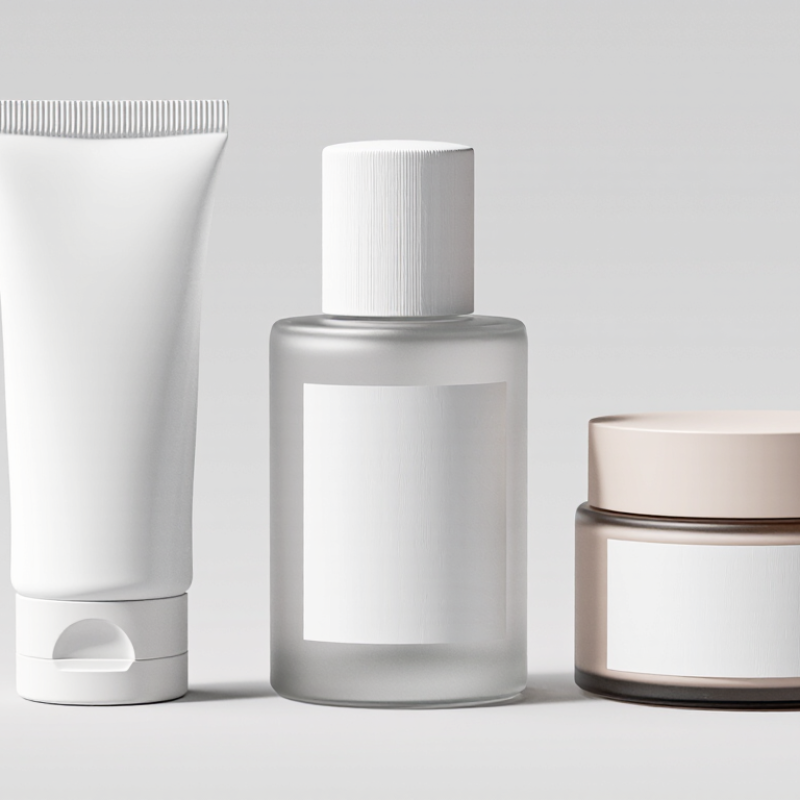
Minimalist cosmetic packaging is gaining attention because consumers increasingly connect simplicity with responsible consumption. McKinsey’s 2023 research reports that 60–70% of consumers value sustainable packaging. This expectation influences decisions at shelves and online checkout pages. Clean layouts often use fewer decorative layers, lighter materials, and smaller components. These choices can reduce visual clutter and support more efficient shipping.
However, minimalism is not automatically sustainable. A thin carton may look thoughtful but fail during transport. Replacing plastic with heavier materials can also increase emissions. Packaging professionals should review the complete lifecycle, including sourcing, production, protection, reuse, and disposal. Consumer trust depends on specific information, not vague green language. Clear material instructions and realistic environmental claims show professional responsibility. The approach still needs refinement.
Tips: Start with the product’s protection needs. Remove unnecessary inserts, coatings, and oversized boxes. Test the package through shipping simulations before reducing material. Use readable labels and explain disposal steps clearly. Ask whether every component serves a practical purpose. Less is useful only when performance remains reliable.
Consumers often connect simple packaging with responsible consumption. Clean layouts can reduce visual clutter and support more efficient shipping. A pale carton, small label, and compact shape may feel deliberate. Not always.
No. A thinner container may crack during delivery. Heavier materials can also increase transport emissions. Sustainability requires reviewing sourcing, production, protection, reuse, and disposal.
Remove oversized boxes, extra inserts, decorative layers, and excessive coatings. Keep only components with a practical purpose. Test the package before reducing material further.
Single-material containers are often easier to identify and process. Fewer adhesives, metallic films, and bonded inserts may simplify sorting. Local recycling facilities should confirm actual compatibility.
Packaging placed on the European market is expected to meet recyclability standards from 2030. By 2038, recyclability must work at scale. Jars, pumps, labels, closures, and cartons may all require review.
Yes, when the structure and details feel intentional. A matte tube, precise lettering, and one accent color can create a calm appearance. Weak closures or thin cartons can make it feel unfinished.
Spacious labels make ingredients, usage directions, and benefits easier to scan. Consistent shapes can improve recognition across shelves and mobile screens. Essential information should remain visible.
Test shipping durability, bathroom lighting, mobile screens, closure strength, and label readability. Check whether customers understand the product within five seconds. Attractive simplicity is not proof of performance.
Use specific material details and clear disposal instructions. Explain what the package contains and where it may be processed. Green wording without evidence can weaken consumer trust.
Simplicity can hide practical problems. A refill system may add extra components, and a lighter pack may fail in transit. The approach still needs testing and revision.
Minimalist cosmetic packaging is trending because consumers increasingly value sustainability, efficiency, and thoughtful design. Research cited in the outline indicates that 60–70% of consumers consider sustainable packaging important, while packaging represents approximately 40% of global plastic use. By using fewer materials, simpler structures, and lightweight formats, cosmetic packaging can help reduce waste while lowering production, transportation, and storage costs. This makes minimalist solutions attractive not only from an environmental perspective but also as a practical approach to improving operational efficiency.
Regulatory expectations are also accelerating this shift, with European requirements moving toward recyclable packaging by 2030. At the same time, minimalism can create a clean, refined appearance that supports premium positioning and helps products stand out in a competitive market. As premium beauty is forecast to grow by around 6% annually, brands are seeking packaging that combines visual appeal, functionality, and responsibility. Together, these consumer, economic, regulatory, and design factors explain why is minimalist cosmetic packaging trending.

 Boxo Beauty