How to Know What Consumers Expect from Cosmetic Packaging?

Time:2026-10-16 Author:Aria
0%

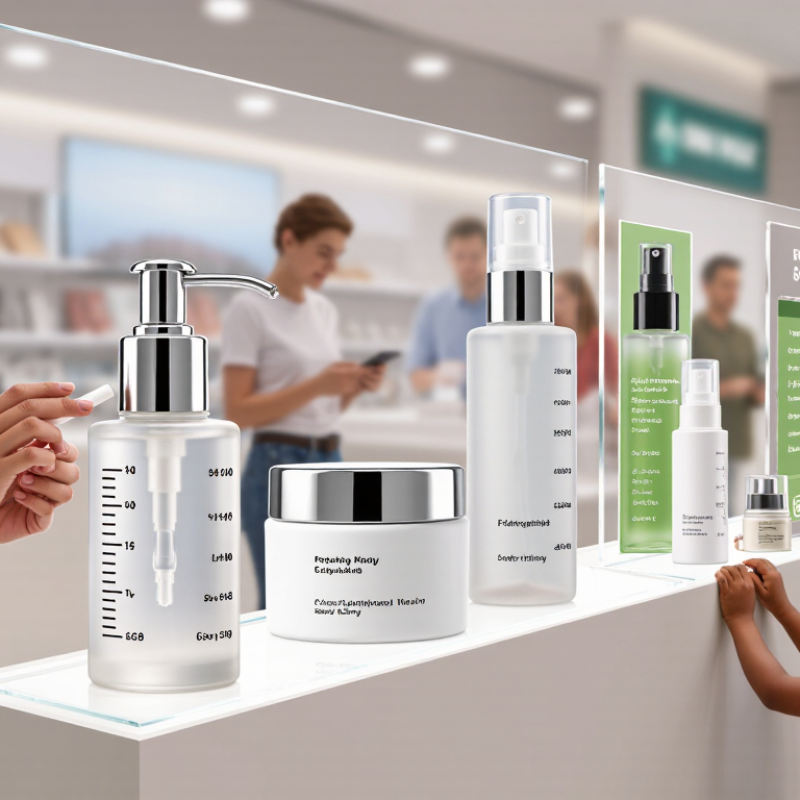
Understanding what consumers expect from cosmetic packaging requires more than attractive product photography. It begins with observing real behavior in stores, bathrooms, and online reviews. A shopper may twist a cap, test a pump, or reject a jar with slippery hands. Small moments often reveal practical expectations.

In retail trials, consumers commonly notice opening effort, dosage control, portability, and label readability. A serum pump should deliver a measured drop, not spray across a sink. A moisturizer jar should close securely inside a travel bag. These details affect trust before the formula is even used. Professional evaluation adds structure. Packaging specialists examine material quality, protection, accessibility, and shelf performance. They also review whether environmental claims are specific, measurable, and supported by evidence. Clear information helps consumers make informed choices.

However, preferences are not perfectly consistent. Some shoppers want luxurious glass, while others prefer lightweight recycled plastic. Some appreciate minimalist labels, but others need larger text and clearer instructions. This article explores the signals behind these choices through consumer feedback, packaging testing, retail observation, and credible industry research. It considers appearance, convenience, hygiene, sustainability, inclusivity, and perceived value. It also asks uncomfortable questions. Does refill packaging actually fit daily routines? Can a premium finish justify extra weight? Are “eco-friendly” claims understandable, or merely persuasive? Some expectations conflict. That tension matters. Reliable packaging decisions come from testing assumptions, documenting results, and accepting that one design cannot satisfy everyone.
How to Know What Consumers Expect from Cosmetic Packaging?

Define Consumer Segments with McKinsey’s 6% Beauty Growth Forecast to 2027

How to Know What Consumers Expect from Cosmetic Packaging?

McKinsey’s beauty analysis forecasts approximately 6% annual growth through 2027, reaching about $580 billion globally. This growth will not create one typical shopper. Packaging research should segment consumers by motivation, not age alone.

Value seekers may prefer lightweight tubes, clear usage cues, and honest pack sizes. Ingredient-conscious buyers need readable labels and tamper evidence. Eco-practical consumers look for reduced material, refill logic, and disposal guidance. Convenience-led users notice pumps that work with wet hands. Premium ritual seekers may expect weight, texture, and controlled dispensing.

These are working hypotheses, not fixed identities.

PwC’s 2024 Voice of the Consumer Survey reported that 46% of consumers were buying more sustainable products. Respondents also accepted an average 9.7% price premium for sustainably produced or sourced goods.

Willingness does not equal action. At checkout, price, trust, and disposal practicality compete. Test prototypes with real users, including after showering. Measure opening force, leakage, label readability, and empty-pack handling. That detail matters.

A weak point remains. Sustainability claims can confuse consumers when local recycling systems differ. Teams should verify claims, disclose material details, and avoid suggesting universal recyclability.

McKinsey’s growth forecast is a market signal, not permission to overpackage. A beautiful container can still frustrate consumers when it wastes product or requires two hands. Packaging decisions need evidence, repeated testing, and occasional revision.

Benchmark Sustainability: 66% Pay More for Green Brands (Nielsen, 2015)

How to Know What Consumers Expect from Cosmetic Packaging?

The Nielsen Global Corporate Sustainability Report (2015) found that 66% of consumers would pay more for products from sustainable companies. That figure still matters, but it needs careful interpretation. Stated willingness does not always become a completed purchase. Price, convenience, and trust can quickly change consumer behavior.

In packaging reviews, I look beyond the word “green.” Consumers notice practical details: lightweight bottles, clear recycling instructions, refill systems, and minimal secondary packaging. The 2023 Global Buying Green Report found that 82% of respondents were willing to pay more for sustainable packaging, including higher premiums among some younger groups. These findings support investment in measurable improvements, not vague environmental claims.

Small details matter.

A package that feels excessive can weaken credibility. A recyclable component may still confuse consumers if labels are unclear or materials are difficult to separate. The Ellen MacArthur Foundation’s New Plastics Economy reports also emphasize designing packaging for reuse, recycling, and material recovery. Yet many teams still treat appearance as the main performance measure. That is a mistake worth questioning. Sustainability claims should be tested with real users, checked against local recycling systems, and supported by lifecycle evidence. Consumer expectations are not perfectly consistent, either. People may request low-impact packaging while rejecting a less convenient format. This tension should shape packaging decisions.

How to Know What Consumers Expect from Cosmetic Packaging? - Benchmark Sustainability: 66% Pay More for Green Brands (Nielsen, 2015)
Consumer Expectation Dimension Verified Data Timeframe and Scope Implication for Cosmetic Packaging
Willingness to pay more for sustainable products 66% Global consumers surveyed in 2015 Packaging sustainability can support a premium position when environmental benefits are clear, credible, and easy to understand.
Previous sustainability price-premium benchmark 55% Global consumers surveyed in 2014 Consumer acceptance of sustainable products increased compared with the previous annual benchmark, strengthening the case for visible packaging improvements.
Year-over-year increase in willingness to pay more +11 percentage points Change from 2014 to 2015 Packaging claims should communicate measurable progress, such as reduced material use, recyclability, refillability, or recycled content.
Relative growth in willingness to pay more 20% Calculated as 11 ÷ 55 × 100 Consumer demand for sustainability was gaining momentum; cosmetic packaging decisions should consider long-term environmental expectations rather than short-term appearance alone.
Transparency of environmental information Essential Derived packaging-design requirement from the sustainability benchmark Use concise, specific information about material type, disposal instructions, recycled content, and refill or reuse options. Avoid vague claims such as “eco-friendly” without supporting details.
Packaging functionality alongside sustainability Non-negotiable Cosmetic packaging design principle Sustainable formats should still protect product quality, preserve hygiene, prevent leakage, and provide a convenient user experience.
Source benchmark: Nielsen Global Corporate Sustainability and Consumer Buying Report, 2015. The 66% figure refers to global consumers willing to pay more for products and services from companies committed to positive social and environmental impact; it is not limited to cosmetics or packaging.

Translate Needs Using EPA’s 28.1% Packaging Recycling Rate (2018)

Consumers often judge cosmetic packaging before reading the formula. The material feels too important to ignore. In 2018, the U.S. Environmental Protection Agency reported a 28.1% recycling rate for packaging. This figure shows a serious gap between packaging use and recovery. It should guide practical design decisions, not decorative sustainability claims. A recyclable pack must also be easy to empty, separate, and identify. Consumers may expect a jar, cap, label, and pump to work together. Often, they do not.

The Ellen MacArthur Foundation reported that only 14% of plastic packaging was collected for recycling globally in 2016. Its report also estimated that just 2% entered a closed-loop recycling process. These numbers make material simplicity more valuable than complicated structures. A cosmetic package with fewer material types can reduce confusion at the disposal point. Clear recycling instructions help, too. The Sustainable Packaging Coalition recommends designing for real recovery systems, rather than theoretical recyclability. That distinction matters. A package can be technically recyclable but practically rejected. Recent consumer research from Euromonitor International also shows growing interest in reducing plastic waste and choosing more sustainable products. Expectations are becoming specific: less excess material, visible disposal guidance, and packaging that feels durable without appearing wasteful. Designers should test these assumptions with users.

Our industry sometimes treats recycling as a finish, not a system. That is an uncomfortable mistake.

Prototype for Access: Test Opening, Dosing, Protection, and Portability

How to Know What Consumers Expect from Cosmetic Packaging?

Prototype for Access: Test Opening, Dosing, Protection, and Portability

Cosmetic packaging should be tested in the hand, not only on a screen. Ask users to open a jar with wet fingers, twist a cap after applying lotion, and carry the product in a small bag. Record opening time, slips, leaks, and leftover product. Small failures matter. A beautiful closure can still frustrate a consumer.

Dosing needs equal attention. Compare pumps, droppers, and squeeze outlets with the same formula. Measure the first dose, repeated doses, and the final usable amount. A 0.2-gram difference may seem minor, but it changes cost and user trust. McKinsey’s 2023 beauty industry analysis projects the global beauty market could approach 580 billion dollars by 2027. More products will compete for attention, but convenience may decide repeat use.

Protection testing should include vibration, drops, temperature changes, and pressure inside delivery cartons. Portability testing should examine one-handed use, pocket storage, and accidental activation. Trivium Packaging’s 2023 Global Buying Green Report found that 82% of consumers would pay more for sustainable packaging. That preference needs proof, not decoration. Reduce material only after confirming product safety and usability. Some prototypes will fail. Keep those failures visible; they often reveal expectations that surveys miss.

Validate Claims and Materials with A/B Tests Before Cosmetic Launch

How to Know What Consumers Expect from Cosmetic Packaging?

Packaging assumptions are expensive. Before a cosmetic launch, test the claim and the material separately. NielsenIQ’s 2023 sustainability report found that 78% of global respondents considered environmental sustainability important. However, stated concern does not always become a purchase. Real behavior needs measurement.

Create two controlled product pages. Version A can say “made with 30% recycled plastic.” Version B can use a neutral description. Keep the price, product image, shade, and delivery terms identical. Track click-through rate, add-to-cart rate, conversion, and claim recall. A short survey can ask shoppers what “recyclable” means in their local area. Their answers may expose confusion.

Test the physical pack, too. Show identical cream jars with different materials, such as virgin plastic and aluminum. Ask participants to handle each sample, check the closure, and imagine bathroom storage. Measure perceived quality, leakage concerns, opening effort, and disposal confidence.

IBM’s Institute for Business Value reported that 49% of surveyed consumers had paid more for products viewed as sustainable, but that result should not justify a premium automatically.

Smaller samples can mislead. Test across age groups and markets, then repeat the experiment after refining the wording. A claim that wins clicks but reduces trust is not a successful claim. Sometimes the plainest label performs better.

FAQS

Will consumers pay more for sustainable cosmetic packaging?

Surveys suggest strong interest. Around 66% once said they would pay more for sustainable companies. Recent research reported 82% for sustainable packaging. Actual purchases may change because of price, convenience, and trust.

What packaging details do consumers notice most?

They notice lightweight bottles, clear recycling instructions, refill options, and less secondary packaging. A recyclable package can still confuse people. Labels must explain how to separate each material.

Why should packaging be tested by hand?

Screen designs cannot reveal every problem. Ask users to open jars with wet fingers and twist caps after applying lotion. Record slips, opening time, leaks, and leftover product.

How can teams test dosing performance?

Compare pumps, droppers, and squeeze outlets with the same formula. Measure the first dose, repeated doses, and final usable amount. Small differences can affect cost and trust.

What protection tests should cosmetic packages receive?

Test vibration, drops, temperature changes, and pressure inside delivery cartons. Check whether the closure survives movement. A beautiful package is not enough.

How should portability be evaluated?

Test one-handed use, pocket storage, small-bag transport, and accidental activation. Try the package during ordinary movement. Some designs will fail.

How can teams test environmental claims before launch?

Create two product pages with identical prices, images, shades, and delivery terms. Change only the environmental wording. Track clicks, cart additions, purchases, and claim recall.

How can material preferences be tested fairly?

Show users similar containers made from different materials, such as plastic and aluminum. Ask about quality, leakage, opening effort, storage, and disposal confidence. Preferences may shift after handling.

Does a successful environmental claim always mean successful packaging?

No. A claim may increase clicks but reduce trust later. Test different age groups and markets, then repeat the study after revising the wording. The plainest label may perform better.

Conclusion

Understanding what consumers expect from cosmetic packaging begins with clear audience segmentation. Different age groups, lifestyles, budgets, and beauty routines may prioritize convenience, sustainability, premium appearance, or product protection. Market forecasts, including an estimated 6% beauty-sector growth through 2027, can help companies identify emerging consumer groups and plan packaging features accordingly. Sustainability should also be measured rather than assumed: research indicating that 66% of consumers may pay more for environmentally responsible products highlights the value of recyclable, refillable, lightweight, or lower-waste solutions. At the same time, the reported 28.1% packaging recycling rate in 2018 shows why material choices and disposal instructions must be simple and realistic.

Practical testing is essential before launch. Prototypes should evaluate how easily users can open, control dosage, protect the formula, carry the package, and handle it during daily routines. A/B tests can compare materials, shapes, closures, and sustainability claims to determine which options are genuinely preferred and clearly understood. This evidence-based process helps transform consumer expectations into packaging that is accessible, functional, credible, and commercially relevant.

Aria

Aria

Aria is a dedicated marketing professional with a deep passion for innovative strategies and a keen understanding of our company's product offerings. With a wealth of experience in the industry, Aria excels at crafting engaging content that highlights the unique features and benefits of our......