Top 5 Trends Shaping Cosmetic Packaging in 2026?

Time:2026-07-28 Author:Oliver
0%

As the beauty industry evolves, understanding what trends are shaping cosmetic packaging becomes essential for brands. According to the latest report by Market Research Future, the global cosmetic packaging market is expected to reach USD 30 billion by 2026, reflecting a compound annual growth rate (CAGR) of 4.5% from 2021. This growth signals changing consumer preferences, demanding more sustainable and innovative designs.

Sustainability has emerged as a crucial focus area. A survey by the Cosmetic Industry Association indicated that 75% of consumers prefer brands that utilize eco-friendly packaging. Moreover, personalized packaging is gaining traction, with 60% of customers expressing a desire for unique product presentations. However, with these shifts, brands face challenges in balancing cost and environmental impact. The constant push for innovation may lead to overlooked quality or functionality issues.

To remain competitive, brands must continuously adapt to these trends while ensuring that their packaging resonates with consumers. Engaging customers through transparency and storytelling becomes vital for brand loyalty. Therefore, understanding what trends are shaping cosmetic packaging is not just beneficial; it is essential for survival in this dynamic market.
Top 5 Trends Shaping Cosmetic Packaging in 2026?

Emerging Sustainable Materials in Cosmetic Packaging for 2026

The cosmetic packaging industry is rapidly evolving. As we approach 2026, the focus on emerging sustainable materials is gaining momentum. Brands are increasingly seeking eco-friendly options. This shift is driven by consumer demand for transparency and environmental responsibility. Materials like recycled plastics and biodegradable components are becoming popular choices.

Tips for brands: consider using sustainable materials in your packaging design. Many consumers are more likely to choose products that demonstrate eco-friendliness. Explore plant-based materials for a unique twist. For example, algae-based inks or bioplastics can reduce environmental impact effectively.

Reflecting on these trends, it’s essential to balance sustainability with functionality. While innovative materials offer benefits, they might not always meet durability standards. Brands should invest in research to ensure that their sustainable choices do not compromise quality. The challenge lies in finding the right materials that appeal to consumers and uphold the brand's integrity.

Innovative Design Trends Influencing Cosmetic Packaging Dynamics

The cosmetic packaging landscape is evolving rapidly. Innovations in materials and designs are profoundly influencing consumer choices. Sustainable packaging is becoming essential. Brands are seeking eco-friendly solutions, like biodegradable materials. This shift reflects consumers’ desires for sustainability. It's a trend that may not fully address durability yet.

Customization is another trend on the rise. Personalization can create unique experiences for customers. However, balancing customization and cost-efficiency remains a challenge for many brands. A delightful design can attract attention, but it must also be practical. Luxurious looks sometimes compromise functionality.

Minimalism continues to resonate with consumers. Clean lines and simplicity appeal to a modern audience. Yet, over-simplification can lead to a lack of brand identity. Balancing minimalism with distinctiveness is vital. As the packaging industry progresses, these trends will shape the future, though not without areas needing improvement.

The Impact of Technology on Cosmetic Packaging Solutions

The impact of technology on cosmetic packaging solutions continues to evolve in significant ways. Innovations such as smart packaging and sustainable materials are shaping the industry. According to a report by MarketsandMarkets, the global smart packaging market is projected to reach $31.2 billion by 2026. This growth reflects a clear consumer demand for more interactive and sustainable products.

Tip: Look for packaging that offers not just aesthetics but functionality. Smart labels can provide information about the product's use and freshness. This engages customers and promotes informed decisions.

Biodegradable materials are another trend gaining traction. Research indicates that 72% of consumers prefer eco-friendly packaging. Companies are increasingly using materials like bioplastics and recycled paper to meet this demand. Yet, the challenge lies in balancing cost-effectiveness with sustainability.

Tip: Consider how packaging affects the overall product value. Sometimes, cheaper materials may lead to higher environmental costs in the long term. Strive for a solution that aligns with both brand values and consumer preferences.

Consumer Preferences Driving Packaging Aesthetics and Functionality

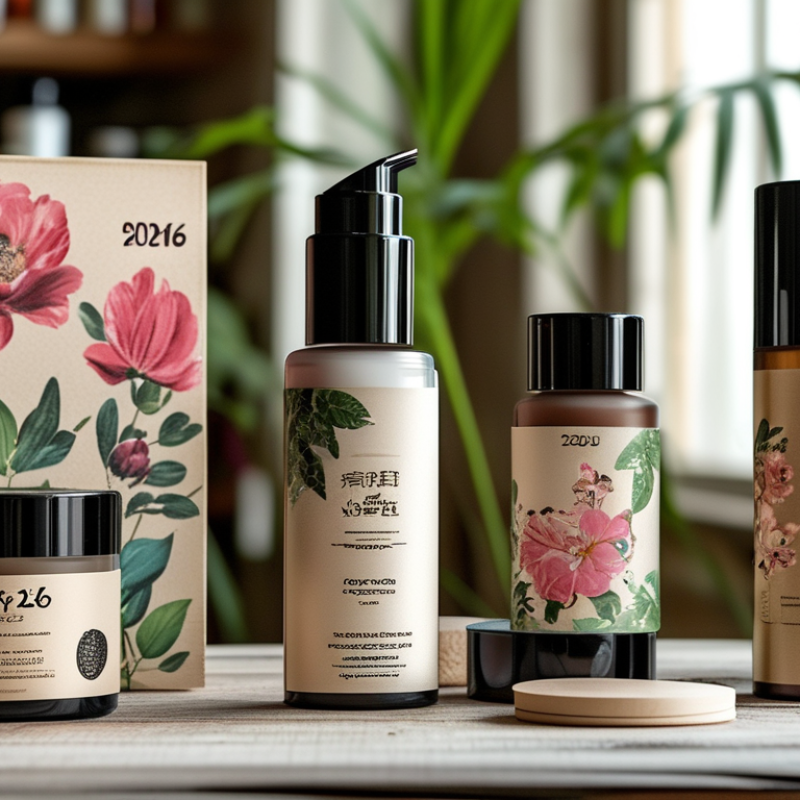
As consumer preferences evolve, the impact on cosmetic packaging is profound. Aesthetic appeal has become vital. Bright colors and minimalist designs attract buyers. Unique shapes and textures also play a significant role. They create an engaging experience. This visual connection influences purchasing decisions, making aesthetics a cornerstone of modern packaging.

Functionality cannot be overlooked. Sustainable materials are gaining traction among eco-conscious consumers. Refillable and recyclable packaging options are more desirable. Brands that prioritize functionality often see loyalty from consumers. However, striking the right balance between form and function remains a challenge. Oversized containers can waste resources, while overly complex designs may frustrate users. Brands must navigate these tensions to meet diverse consumer needs.

Reflecting on these preferences highlights the importance of innovation. Brands must adapt quickly to changing tastes. Failing to do so may lead to obsolescence. Listening to consumers should guide packaging development. This will ensure the relevance and success of cosmetic products in a competitive market.

Top 5 Trends Shaping Cosmetic Packaging in 2026

Regulatory Changes Affecting Cosmetic Packaging Standards in 2026

Regulatory changes are set to reshape cosmetic packaging standards significantly by 2026. According to a recent report from the Cosmetic Packaging Association, 78% of industry experts anticipate stricter regulations on materials used in packaging. This shift is driven by an increasing demand for sustainability and safety in beauty products. Authorities are likely to impose limits on harmful substances in packaging, which could lead to a complete overhaul of current materials.

In response to these evolving standards, brands must adapt quickly. Market research indicates that 65% of consumers prefer biodegradable packaging options. Companies may face challenges in sourcing eco-friendly materials that also meet safety requirements. Interestingly, these regulatory changes may spur innovation in packaging technologies, including the use of plant-based plastics. However, some brands may struggle to balance compliance with their existing supply chains. This can lead to higher production costs and potential delays in product launches. The pressure to remain compliant necessitates a proactive approach to packaging design and sourcing practices.

FAQS

: What types of materials are becoming popular in cosmetic packaging?

: Recycled plastics and biodegradable components are gaining popularity for eco-friendliness.

How are consumer preferences influencing packaging choices?

Consumers demand transparency and environmental responsibility, pushing brands to go green.

What should brands consider when designing eco-friendly packaging?

Brands should balance sustainability with functionality to maintain quality and appeal.

Why is personalization important in cosmetic packaging?

Customization creates unique consumer experiences, enhancing product attraction and loyalty.

What are the risks of over-simplifying packaging design?

Over-simplification may weaken brand identity, making it hard to stand out in the market.

How can innovative materials affect product durability?

Some eco-friendly materials might not meet durability standards, posing challenges for brands.

What challenge do brands face with sustainable packaging?

Finding sustainable options that also meet customers' expectations for quality can be difficult.

Why is minimalism a popular trend in packaging design?

Clean lines and simplicity resonate with modern consumers seeking aesthetics and clarity.

How can brands enhance their packaging strategy?

Investing in research on material performance can help brands improve sustainability and functionality.

What should brands reflect on regarding packaging trends?

Brands need to continually evaluate the effectiveness and appeal of their packaging designs.

Conclusion

As we look towards 2026, several key trends are shaping cosmetic packaging, reflecting a significant shift in both consumer expectations and technological advancements. Emerging sustainable materials play a crucial role, as brands increasingly prioritize eco-friendly solutions to meet the growing demand for environmentally responsible products. Innovative design trends are reshaping packaging dynamics, focusing on aesthetics while maintaining functionality, which aligns with consumer preferences for both visual appeal and practicality.

Furthermore, technology is having a profound impact on cosmetic packaging solutions, enabling smarter, user-friendly designs that enhance the consumer experience. Regulatory changes are also influencing packaging standards, prompting brands to adapt in order to comply with new guidelines. Collectively, these factors illustrate what trends are shaping cosmetic packaging, emphasizing sustainability, design innovation, technological integration, and compliance as essential elements for the future of the industry.

Oliver

Oliver

Oliver is a seasoned marketing professional with a wealth of expertise in driving brand awareness and engagement. With a deep understanding of our company's product offerings, he consistently delivers high-quality content that enriches our professional blog. His insights not only shed light on......