Top 10 Ways to Customize Private Label Cosmetic Packaging

Time:2026-10-21 Author:Oliver
0%

Private label cosmetics compete in crowded retail spaces, where packaging often shapes the first moment of trust. A matte serum bottle, embossed cap, or carefully balanced carton can communicate quality before customers read the label. Yet attractive design alone does not guarantee a successful product. The closure may leak, the pump may clog, or the printed finish may scratch during shipping. Small details matter.

This guide explores how to customize packaging for private label cosmetics through ten practical methods. It covers material selection, bottle shapes, decoration techniques, color systems, labeling, and protective secondary packaging. It also considers minimum order quantities, filling compatibility, production testing, and supplier communication. These factors help brands avoid expensive revisions and inconsistent customer experiences. Compliance still matters. Packaging claims, ingredient information, recycling symbols, and safety details should follow the requirements of each target market.

Branding expert Marty Neumeier expressed the central principle simply: “The package is the product.” That idea remains useful for skincare, makeup, haircare, and wellness lines. Packaging should look distinctive, but it must also function reliably in real hands. Customers may open it with wet fingers, carry it in a handbag, or store it beside a bathroom sink. Designers sometimes focus too heavily on appearance. That is a mistake worth admitting.

A strong private label package balances shelf appeal, usability, protection, cost, and brand identity. It may not be perfect. It should be tested, questioned, and improved before launch.
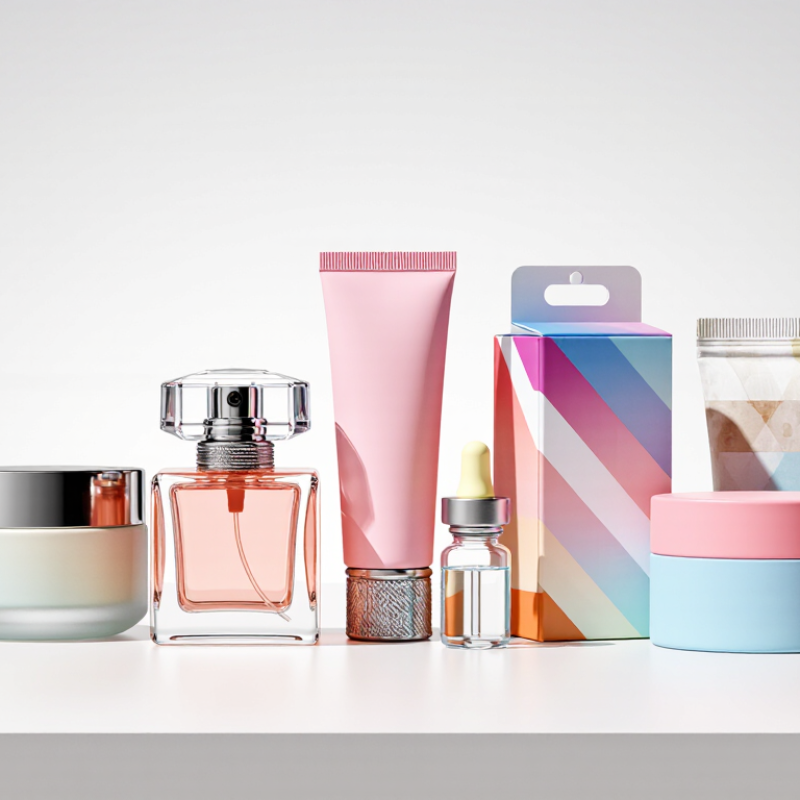
Top 10 Ways to Customize Private Label Cosmetic Packaging

Define Your Brand and Packaging Customization Goals

Before choosing a bottle, define what your brand should communicate in three seconds. Is it clinical, botanical, playful, or quietly luxurious? Write this choice in plain language. Then identify your buyer’s routines, budget, shelf location, and preferred formats. A travel-friendly serum needs different packaging from a salon-size cleanser. Create a practical brief covering color, shape, finish, closure, decoration, and target cost. Add measurable goals, such as “open with one hand” or “remain readable under bathroom lighting.” Small details guide better decisions.

Experienced packaging teams also test whether the design supports the product’s real use. A pump should dispense the intended amount consistently. Check material compatibility, leakage resistance, label adhesion, and color accuracy before approving samples. Packaging must present required information clearly, including ingredients, net contents, directions, and responsible-use statements. Keep records of sample changes and supplier specifications. They make quality decisions easier to defend. Our first concept may look elegant but feel awkward in a wet hand. That failure is useful. Revise the brief instead of protecting a weak idea. Set priorities when budget or production limits appear. A distinctive cap may matter less than a reliable closure and clear labeling. Leave room for learning.

Select Materials, Formats, and Functional Packaging Features

Top 10 Ways to Customize Private Label Cosmetic Packaging

Select Materials, Formats, and Functional Packaging Features

Material selection shapes how customers perceive a cosmetic before opening it. Glass feels substantial and protects many formulas well, but it increases shipping weight. Plastic formats offer lighter handling and flexible shapes. Recycled content can support sustainability goals, although color and consistency may vary between batches. Airless bottles help reduce formula exposure and can improve dispensing accuracy. Jars create a familiar experience, but users touch the product directly.

Format should match the formula, routine, and target usage. A fine mist suits watery sprays, while a pump works better for controlled lotion doses. Consider neck size, closure strength, label space, and filling-line compatibility. Test the package with the actual formula. Oils, acids, fragrances, and alcohol-based ingredients may affect seals, coatings, or printed surfaces. Small details matter. A cap that loosens in a handbag can damage trust quickly.

Tips: Request drop, leakage, compatibility, and pump-cycle testing before approving production. Check how the package feels with wet hands. Review recycled-material samples under store lighting. Keep one sample after launch for comparison. Some choices will need revision; attractive packaging is not always practical packaging. Use supplier specifications, but verify them independently with measured tests.

Customize Visual Design, Labels, and Brand-Specific Details

Private label cosmetic packaging should make the product recognizable before the customer reads every word. A clear visual system helps. Choose two or three core colors, one readable typeface, and a consistent logo position. Matte cartons feel soft and modern, while selective gloss can highlight a serum name or botanical illustration. Small details matter. Test printed samples under store lighting and natural daylight. Colors often change between screens and finished materials.

Labels need to communicate more than appearance. Include the product name, net quantity, ingredient information, usage directions, batch details, and suitable warnings. Requirements can differ by market, so a qualified compliance review is essential before printing. Keep the front panel simple. A crowded label may hide the product benefit. I have seen elegant designs fail because tiny text became unreadable on curved bottles. Measure the smallest lettering, then review it at arm’s length.

BrandBrand-specific details create ownership without excessive decoration. Consider a custom cap shape, embossed mark, colored pump, inner carton message, or reusable pouch. A QR code can connect customers with directions or sourcing information, but it needs a real purpose. Check every link before production. Tactile finishes can strengthen recognition, yet they may increase cost and complicate recycling. I once favored too many finishing effects on a concept; removing two made the package clearer. Good customization leaves room for practical use, honest claims, and careful revision.

Add Sustainable, Protective, and User-Friendly Packaging Elements

Top 10 Ways to Customize Private Label Cosmetic Packaging

Sustainable packaging must still protect the formula. The OECD’s Global Plastics Outlook 2022 identifies packaging as the largest generator of single-use plastic waste, at about 40% of total plastic waste. Reduce unnecessary layers first. Choose lightweight tubes, recycled paper cartons, or mono-material components that fit existing recycling systems. Add water-based inks and minimize metallic coatings. These details matter.

Protection needs practical testing. Use tamper-evident seals, leak-resistant closures, and inner barriers for oils or active ingredients. A pump can reduce finger contact and help control dosage. Rounded edges improve handling, especially in wet bathrooms. Clear recycling instructions should appear near the disposal area. The IBM Institute for Business Value reported in 2020 that 57% of surveyed consumers were willing to change purchasing habits to reduce environmental impact. Sustainable claims must match real material choices. Vague green language creates doubt.

Tips: Test the package after heat, pressure, and drop exposure. Check whether users can open it with wet hands. Some refill systems look efficient but create extra cleaning steps. That trade-off needs honest review. Prototype ten elements: material, size, color, closure, seal, label, texture, dispenser, refill method, and disposal guidance. Measure product loss, not only appearance. A beautiful package that leaks is not a responsible solution.

Test, Refine, and Prepare Customized Packaging for Production

Custom cosmetic packaging should be tested as a working product, not judged only from a screen. In my packaging trials, I check the bottle, closure, pump, label, carton, finish, and insert together. A beautiful mockup can still feel awkward in the hand. Test the cap with wet fingers. Measure the pump output repeatedly. Inspect color under daylight and retail lighting.

Small failures often appear during handling. One early sample looked polished but scratched after several carton rub tests. Another closure loosened after repeated opening. These problems were useful, although expensive.

I now run drop tests, vibration checks, leak tests, and temperature exposure before approving production. Record every result with photos, dimensions, material details, and batch references. This creates a reliable trail for suppliers and quality reviewers.

Refinement should use clear priorities. Improve grip before adding a decorative finish. Confirm artwork against the final dieline, not a rough drawing. Ask production teams to review tolerances, filling speed, and assembly steps. A 0.5-millimeter mismatch can affect alignment. Keep approved color samples beside the press proof. Check recycled or coated materials for scuffing and print consistency. Prepare a controlled production sample before ordering at scale. It should use the intended material, decoration, closure, and filling process. Leave room for correction. Perfect samples are rare.

FAQS

What should cosmetic packaging communicate within three seconds?

Choose one clear impression: clinical, botanical, playful, or quietly luxurious. Use plain language. Then match the design to the buyer’s routine, budget, and shelf location.

How can a team create a practical packaging brief?

Record the desired color, shape, finish, closure, decoration, and target cost. Add measurable goals. For example, the bottle should open with one hand and remain readable under bathroom lighting.

What should be tested before approving packaging samples?

Test dispensing accuracy, material compatibility, leakage resistance, label adhesion, and color consistency. A pump should release a similar amount each time. Keep records of every sample change.

Which information should packaging display clearly?

Include ingredients, net contents, directions, and responsible-use statements. Place important text where bathroom lighting will not hide it. Small lettering can create real confusion.

How can packaging become more sustainable?

Remove unnecessary layers before adding new materials. Consider lightweight tubes, recycled paper cartons, and compatible mono-material parts. Water-based inks can reduce certain coating concerns. Claims must match the actual materials.

How can packaging protect the product during use?

Use leak-resistant closures, tamper-evident seals, and suitable inner barriers. A pump can reduce finger contact and control dosage. Protection still needs testing.

What makes packaging easier to use in a bathroom?

Rounded edges improve handling near sinks and wet surfaces. Test opening with wet hands. Check whether users can grip, dispense, and close the package comfortably.

How should refill systems be evaluated?

Measure product loss, cleaning effort, leakage, and disposal steps. A refill system may look efficient but require awkward washing. That trade-off deserves honest review.

What should happen when the first packaging concept feels attractive but impractical?

Revise the brief instead of defending a weak idea. A beautiful cap means little if the closure fails. That failure is useful.

Conclusion

Customizing private label cosmetic packaging begins with a clear understanding of your brand identity, target customers, product positioning, and packaging goals. A well-planned approach to how to customize packaging for private label cosmetics includes choosing suitable materials, container formats, closures, dispensing systems, and functional features that match the product’s texture, usage, and market expectations. The packaging should be practical, attractive, and consistent across the product range.

Visual customization can include colors, typography, artwork, labels, finishes, and other brand-specific details that create a recognizable presentation. Sustainable materials, protective structures, tamper-evident elements, ergonomic designs, and easy-to-use features can further improve customer satisfaction and product safety. Before production, prototypes and samples should be tested for appearance, durability, compatibility, usability, and printing quality. Feedback from testing can then guide refinements, helping ensure the final packaging is reliable, visually consistent, cost-conscious, and ready for efficient production.

Oliver

Oliver

Oliver is a seasoned marketing professional with a wealth of expertise in driving brand awareness and engagement. With a deep understanding of our company's product offerings, he consistently delivers high-quality content that enriches our professional blog. His insights not only shed light on......