When embarking on the journey of how to design cosmetic packaging for a new brand, understanding the fundamentals is crucial. According to Maria Chen, a leading expert in cosmetic branding, "Packaging isn't just a container; it conveys the essence of your brand." Her insights highlight the importance of design in making a memorable impact.
Effective cosmetic packaging must resonate with the target audience. Colors, shapes, and materials play significant roles in attracting potential buyers. A brand needs to reflect its values through its packaging. Many new brands struggle with this connection, often leading to a diluted brand message.
Sustainable choices are gaining attention, yet the balance between aesthetic and practicality can be challenging. Consider how your design can tell a story, but don’t overcomplicate it. There’s a fine line between creative expression and consumer confusion. Crafting the perfect packaging requires a blend of artistry, practicality, and feedback. Identifying what resonates with your audience can lead to a strong brand presence.
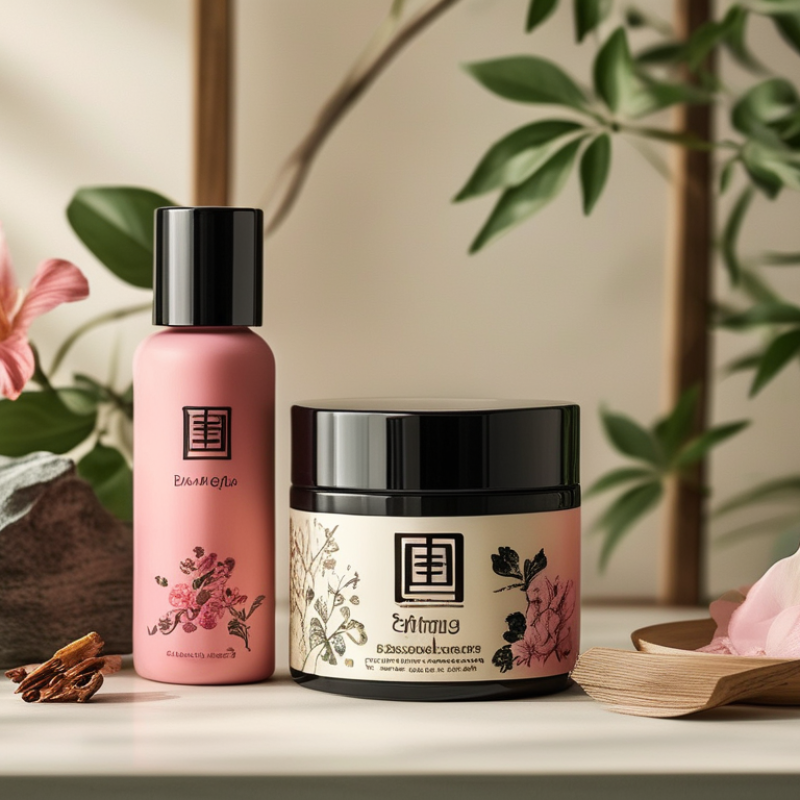
In 2023, cosmetic packaging design trends pivot towards sustainability and minimalism. According to a recent market report, 74% of consumers prefer brands that use eco-friendly materials. This shift reflects a growing awareness of environmental issues. Brands are now opting for biodegradable or recyclable packaging options. This is not just a trend, but a necessity for building trust and rapport with customers.
Another emerging trend is personalization. Today's consumers seek products that resonate with their identity. Packaging with customizable features appeals to this desire. Data shows that personalized experiences can increase customer engagement by over 20%. However, while personalization caters to the consumer's unique preferences, it may also complicate the production process. Brands need to balance customization with efficiency.
Additionally, vibrant colors and bold designs are making a comeback. Vibrant aesthetics can elevate a product's appeal on crowded shelves. However, this requires careful consideration. Too much visual noise might undermine brand identity. The challenge lies in creating standout packaging while maintaining coherence with brand values. Brands must tread carefully in this dynamic landscape to remain relevant.
When designing cosmetic packaging, understanding consumer preferences is crucial. According to a recent report from Statista, 72% of consumers prioritize attractive packaging when choosing a product. This statistic highlights the need for visually appealing designs that resonate with target demographics. Brands must consider colors, shapes, and textures that align with consumer expectations. For instance, eco-friendly materials are gaining popularity, appealing to the 66% of consumers who favor sustainable packaging, as noted by a Mintel report.
Another key aspect is functionality. Packaging should be user-friendly and protect product integrity. A survey by Packaging Strategies revealed that 58% of customers prefer packaging that is easy to open yet secure. This balance can be difficult to achieve. Furthermore, a brand's story should be reflected in the design. If a brand fails to communicate its values through its packaging, it risks losing consumer trust. Overall, the challenge lies in striking a balance between aesthetics, practicality, and brand identity.
In the world of cosmetic packaging, the choice of materials is crucial.
Eco-friendly options are gaining popularity.
They resonate well with consumers who prioritize sustainability. Materials like recycled paper, glass, and biodegradable plastics are often preferred.
These materials can enhance brand image and show commitment to the environment.
However, traditional options still hold ground.
Glass and metal provide a premium feel that consumers often associate with quality.
They can be more durable than some eco-friendly choices. Yet, they come with higher production costs. Brands must weigh these factors carefully.
High-quality packaging can attract attention on crowded shelves.
The challenge lies in balancing aesthetics and sustainability.
An eye-catching design in eco-friendly material may not perform as well if it diminishes product protection.
Experimenting with different combinations can lead to innovative solutions. Not every design will be perfect at first.
Often, brands need to test and gather feedback to find what truly resonates.
This iterative process can lead to better choices down the line.
Packaging is not just a vessel for products; it serves as an essential part of a brand's identity. Effective packaging tells a story. It reflects the brand's values and connects emotionally with consumers. Visual elements like color, typography, and imagery create an immediate impression. Choosing the right palette can invoke certain feelings. For example, pastel colors often communicate softness and femininity. Bold colors might convey energy and excitement.
However, finding the balance can be tricky. Overly complex designs can confuse rather than attract. Simplicity often leads to more impactful branding. Consumers appreciate clean designs that are easy to understand. It’s vital to ensure your design aligns with your brand messaging. Ask yourself: does this packaging truly represent my vision?
Moreover, consumer preferences evolve over time. Being aware of current trends in aesthetic and functional packaging is crucial. What works today might not resonate tomorrow. Regularly revisiting your packaging strategy allows you to adapt and grow. Engaging with your audience for feedback can also provide valuable insights. This creates a more reliable brand image that consumers trust.
| Tip Number | Design Tip | Importance | Visual Elements |
|---|---|---|---|
| 1 | Understand Your Target Audience | High | Demographics, Preferences |
| 2 | Choose Appropriate Colors | High | Color Psychology, Brand Colors |
| 3 | Utilize Unique Shapes | Medium | Packaging Shape, Ergonomics |
| 4 | Incorporate Sustainable Materials | High | Eco-friendly, Recyclable |
| 5 | Include Clear Branding | High | Logo, Brand Name |
| 6 | Focus on User Experience | High | Ease of Use, Accessibility |
| 7 | Emphasize Product Information | High | Ingredients, Usage Instructions |
| 8 | Use Visual Hierarchy | Medium | Typography, Layout |
| 9 | Test with Focus Groups | Medium | Feedback, Adjustments |
| 10 | Stay Updated with Trends | Medium | Market Trends, Innovations |
Designing cosmetic packaging requires more than creativity;
it demands a keen awareness of regulatory compliance.
Understanding local regulations is crucial. Each region has specific guidelines for labeling, ingredient disclosure,
and safety requirements. For instance, products must clearly list all ingredients in a readable format.
Failing to comply can lead to fines or recalls, impacting brand reputation and growth.
Packaging should also account for child safety regulations.
Child-resistant caps and non-toxic materials are often mandated.
These measures assure customers that safety is prioritized, enhancing brand trust.
Additionally, every claim on the packaging must be substantiated with evidence.
Misleading statements can lead to legal challenges and consumer backlash.
It's essential to keep labels simple yet comprehensive. Overloading with information can confuse customers.
Balancing aesthetic appeal with regulatory needs is challenging.
Consider regular audits of your packaging designs to ensure compliance.
Maintaining flexibility in your approach can help navigate changing regulations.
By embracing a mindset of ongoing improvement, brands can enhance their market presence while adhering to legal obligations.
: Key trends include sustainability, personalization, and vibrant designs. Eco-friendly materials are highly preferred by consumers.
Sustainability builds trust with consumers. Many prefer brands that use eco-friendly materials for their packaging.
Personalization caters to unique preferences, increasing engagement by over 20%. However, it complicates production processes.
Vibrant colors and bold designs make products stand out. But, excessive visual noise can confuse brand identity.
About 72% of consumers choose products based on attractive packaging. Functionality, like easy opening, is also vital.
Brands struggle to balance aesthetics and practicality. Complex designs may confuse consumers and undermine brand messaging.
Consumer preferences change over time. Engagement helps brands adapt and maintain a reliable image that builds trust.
Yes, effective packaging should reflect a brand's story and values. If not, brands risk losing consumer trust.
Brands should regularly revisit their strategies. Staying aware of trends helps keep packaging relevant and appealing.
Simplicity can enhance branding. Clean designs are easier to understand and often leave a stronger impression.
Designing cosmetic packaging for a new brand involves navigating a variety of key trends and consumer preferences. In 2023, there is a notable shift towards sustainable materials, prompting brands to consider eco-friendly options alongside traditional packaging methods. Understanding these consumer preferences is crucial, as today's shoppers prioritize not only aesthetics but also sustainability and functionality in cosmetic packaging.
Additionally, effective branding and visual identity play a vital role in how to design cosmetic packaging for a new brand. A well-defined brand image can enhance product appeal and market differentiation. It's equally essential to ensure that all packaging complies with regulatory standards, maintaining safety and transparency for consumers. By focusing on these elements, brands can create impactful and responsible packaging that resonates with their target audience.

Boxo Beauty