In recent years, sustainability has become a critical focus in the beauty industry. As consumers demand more eco-friendly options, brands must adapt. The question arises: how to make cosmetic packaging sustainable? This inquiry is crucial as we move towards 2026. Sustainable packaging not only benefits the planet but enhances brand loyalty.
Many brands face challenges when transitioning to sustainable practices. It requires a deep understanding of eco-friendly materials and production processes. Recyclable, biodegradable, and reusable options are gaining traction. However, some brands still cling to traditional plastics. This reluctance can lead to missed opportunities in appealing to eco-conscious consumers.
The journey towards sustainable cosmetic packaging is not without obstacles. Brands must navigate costs and logistics while maintaining product integrity. Transparency in sourcing and production practices is key. As we look ahead, evolving consumer expectations will drive innovation. Companies must reflect on their current approaches and embrace change. After all, the future of beauty lies in sustainability.
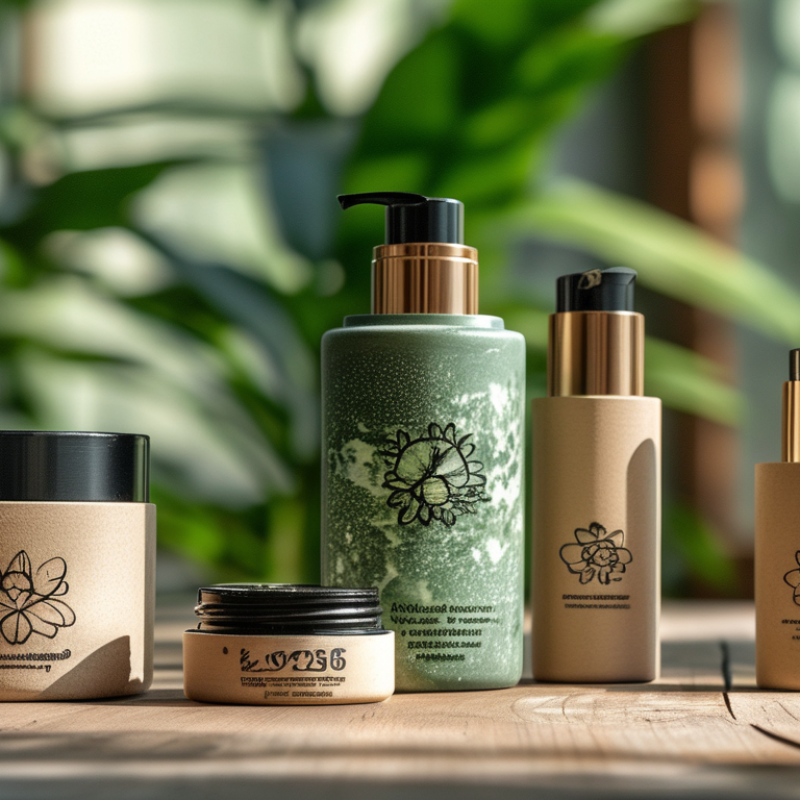
In 2026, the cosmetic packaging industry is witnessing a significant shift towards sustainability. Research by the Ellen MacArthur Foundation indicates that over 85% of consumers desire eco-friendly packaging. This demand is prompting brands to rethink their packaging strategies. Many are exploring alternatives like biodegradable materials and refillable containers. For instance, nearly 38% of companies are adopting plant-based plastics.
Another trend is the rise of minimalistic design. Reports show that 55% of customers prefer simplicity over flashy packaging. This not only reduces material usage but also appeals to environmentally conscious consumers. However, there's a concern about the effectiveness of minimalist designs in conveying brand identity. Some brands struggle to balance sustainability with aesthetic appeal.
Moreover, advancements in recycling technology play a crucial role. Companies are investing in closed-loop systems to ensure materials are reused. Data suggests that this could lead to a 45% reduction in packaging waste by 2026. Nevertheless, challenges remain. Many regions still lack sufficient recycling infrastructure. This raises questions about the overall impact of sustainable packaging initiatives. The journey toward a fully sustainable packaging industry continues to evolve, with both opportunities and obstacles ahead.
As the cosmetic industry shifts towards sustainability, material innovations are at the forefront of eco-friendly packaging. According to a 2023 report by Packaging Innovations, over 70% of consumers prefer brands that use recyclable materials. This trend pushes brands to explore alternatives to traditional plastics.
Biodegradable options made from plant-based materials are gaining traction. They offer consumers a choice that aligns with their values.
Recent studies highlight the effectiveness of these materials. For instance, biodegradable alternatives can decompose within 90 to 180 days under proper conditions, significantly reducing waste. This level of convenience attracts manufacturers seeking to improve their environmental impact. However, challenges remain. Some biodegradable materials require specific conditions to break down. This limitation raises questions about their broader usability.
Innovations like paper-based packaging are also on the rise. Research indicates that paper packaging can reduce carbon footprints by up to 30%. Nevertheless, the durability of paper compared to plastic remains a concern. As the industry evolves, continuous improvement and testing are vital to ensure these solutions meet consumer needs without compromising quality. The path to sustainable cosmetic packaging is complex but worth exploring.
Sustainable cosmetic packaging is essential for reducing environmental impact. Designers can minimize waste effectively through thoughtful strategies. One approach is to choose materials that are recyclable or biodegradable. For instance, opting for glass or paper instead of plastic can significantly lower waste levels. Many consumers appreciate minimalist designs that emphasize sustainability.
Reducing excess packaging is another crucial factor. Brands can avoid excessive box layers or unnecessary inserts. Clear communication about product details on labels can replace bulky instructions. Single-use packaging options should also be reevaluated. Instead, refillable designs allow consumers to use products multiple times, limiting overall waste.
Collaboration with suppliers is vital. Brands should seek materials that are responsibly sourced. Education on sustainable practices is also important for consumers. Understanding why they should choose eco-friendly options can encourage more responsible waste management. Ultimately, addressing imperfections in current packaging systems presents an opportunity for improvement.
Consumer preferences are shifting towards sustainability in cosmetic packaging. According to a 2023 survey by the Sustainable Packaging Coalition, 72% of consumers favor brands that prioritize eco-friendly packaging. This growing demand pushes companies to innovate. They seek materials that are recyclable or biodegradable.
Data shows that nearly 60% of consumers consider packaging sustainability when making a purchase. This statistic highlights the importance of aligning product design with environmental values. Many brands are now experimenting with plant-based plastics and reusable packaging systems. However, the transition is not without challenges.
Sourcing sustainable materials can be costly, and not all consumers are willing to pay a premium. Additionally, some eco-friendly materials may compromise product preservation or shelf life. Brands must balance eco-innovation with functionality and cost. As the conversation around sustainability evolves, ongoing consumer education will be vital. Packaging must not only be sustainable but also effectively communicate its benefits to the consumer. Brands face a complex landscape, navigating preferences and operational hurdles while striving for a greener future.
The cosmetic industry faces mounting pressure to enhance sustainability.
Implementing recycling and reuse programs for cosmetic products can significantly reduce waste. According to a recent report by the Ellen MacArthur Foundation, only 14% of plastic packaging is recycled globally. This statistic highlights a critical gap in the industry’s sustainability efforts. Creating efficient recycling programs can help close this gap.
Many consumers are now environmentally conscious. They prefer products with easily recyclable packaging. However, not all businesses provide clear instructions on how to recycle their packaging. Studies show that 73% of consumers wish that brands would offer better recycling information. Brands need to adopt clear labeling systems and easy-to-navigate recycling programs. Collaboration with recycling facilities is essential for achieving effective results.
Reusing packaging also offers a tangible solution. Initiatives like refill stations can be beneficial. The global market for refillable beauty products is projected to grow by 19% by 2026. Nevertheless, not all companies invest in these opportunities. A lack of infrastructure and awareness persists. Brands must reflect on their responsibilities. They should strive to make sustainable choices while encouraging consumer participation. By creating accessible reuse options, the cosmetic industry can lead positive change.
: Sustainable packaging reduces environmental impact and helps combat waste. It benefits both the planet and consumers.
Biodegradable materials and glass are commonly used. Plant-based plastics are gaining traction among companies.
Brands can reduce layers and unnecessary inserts. Clear labels can replace bulky printed instructions.
Minimalistic designs are preferred by 55% of consumers. They focus on simplicity and sustainability.
Investment in closed-loop systems can potentially cut packaging waste by 45%. This is critical for sustainable practices.
Insufficient recycling infrastructure in many regions hinders progress. Balancing aesthetics and sustainability is also difficult.
Refillable designs reduce single-use waste. They allow consumers to use products multiple times.
Working with suppliers ensures responsibly sourced materials. This supports overall sustainable practices.
Educating consumers on the benefits of eco-friendly options encourages responsible choices. Knowledge fosters better waste management.
Existing systems often lack efficiency and effectiveness. Addressing these flaws can lead to significant improvements.
As the demand for environmentally friendly products continues to grow, understanding how to make cosmetic packaging sustainable has become crucial in 2026. Current trends indicate a shift towards innovative materials that reduce environmental impact, such as biodegradable plastics and recycled materials. These innovations not only enhance brand image but also appeal to eco-conscious consumers.
Design strategies play a significant role in minimizing waste, focusing on packaging that is functional yet reduces excess material. Additionally, consumer preferences are increasingly guiding brands towards sustainable packaging choices, making it essential for companies to align their practices with these expectations. Implementing effective recycling and reuse programs further supports sustainability goals, fostering a circular economy within the cosmetics industry.

Boxo Beauty