Cosmetic packaging waste is a growing concern worldwide. Many consumers and brands are becoming aware of the negative impacts on our environment. This article explores how to reduce cosmetic packaging waste for global buyers. As the beauty industry evolves, sustainable practices need to be prioritized.
To address this issue, brands must consider eco-friendly alternatives. Innovative materials like biodegradable plastics or recyclables are essential. Additionally, minimalistic packaging designs can make a significant difference. Consumers also have a role in demanding more sustainable options. Their choices can push brands to change.
Despite these efforts, challenges remain. Not all materials are easy to recycle. Awareness about proper disposal methods is often lacking. Global buyers must reflect on their habits. Small changes in purchasing decisions can lead to a larger impact on reducing waste. Understanding how to reduce cosmetic packaging waste can create a ripple effect in the industry.
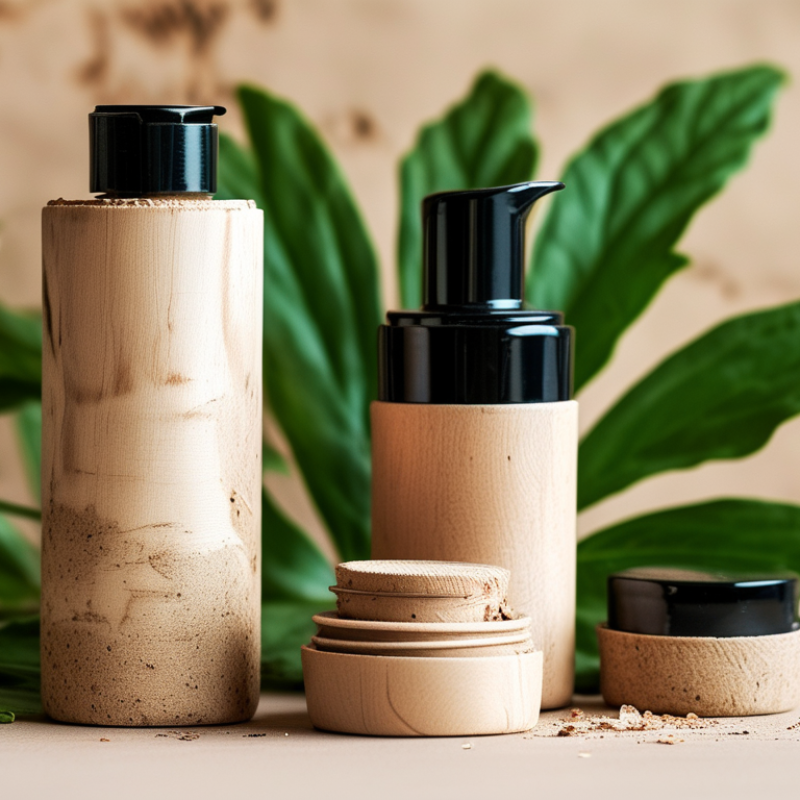
Assessing current cosmetic packaging waste levels is crucial for global buyers aiming to implement sustainable practices. According to a 2022 report by the Ellen MacArthur Foundation, the beauty industry generated 120 billion units of packaging annually. A staggering 70% of this packaging is made from plastic, much of which ends up in landfills. Identifying the types and volumes of waste can guide improved purchasing decisions.
Evaluating supply chains can reveal the most significant sources of waste. Buyers should implement audits to measure how much packaging is being used. A study from McKinsey indicates that companies reducing their packaging can lower costs by 15-20%. Furthermore, engaging with suppliers about their packaging strategies may uncover innovative materials. Not every option is perfect; some biodegradable materials may not decompose efficiently in landfills. This complexity requires ongoing diligence and adaptation.
Stakeholder collaboration enhances waste reduction efforts. Brands can partner with recycling organizations to facilitate proper disposal methods. A 2023 report by the World Economic Forum noted that only 9% of plastic is recycled. The data highlights a gap between intention and outcome. Buyers must critically assess their role in the lifecycle of packaging. Recognizing these challenges is the first step toward meaningful change.
The cosmetic industry faces a growing challenge: reducing packaging waste. Innovative materials in cosmetic packaging offer sustainable alternatives. These materials can significantly lower environmental impact. Biodegradable plastics and plant-based inks are gaining traction. Brands are exploring these options to appeal to eco-conscious buyers.
Tips: Choose brands that use minimal packaging. Look for refillable options. Small changes can make a difference.
One fascinating development is the use of mushroom-based packaging. This biodegradable option decomposes in weeks, unlike traditional plastics. It's an exciting step toward sustainability. Additionally, glass containers are being preferred. They are recyclable and can be reused multiple times.
Yet, challenges remain. Not all consumers prioritize eco-friendly options. The cost of using sustainable materials can be higher. Brands must balance sustainability and affordability. Education plays a crucial role in shifting consumer behavior.
| Material Type | Sustainability Score (1-10) | Recyclable | Biodegradable | Source |
|---|---|---|---|---|
| Recycled PET | 8 | Yes | No | Post-consumer waste |
| Bioplastics | 9 | Yes | Yes | Plant-based materials |
| Glass | 7 | Yes | No | Natural minerals |
| Paper & Cardboard | 6 | Yes | Yes | Renewable resources |
| Aluminum | 8 | Yes | No | Metal recycling |
Consumer behavior plays a crucial role in shaping sustainable packaging choices in the cosmetic industry. Recent studies show that over 70% of consumers prioritize eco-friendly packaging. This shift is driving brands to rethink their materials and design approaches. For example, recyclable packaging options and biodegradable materials are gaining popularity among environmentally conscious buyers. Data from the Sustainable Packaging Coalition indicates a 50% increase in demand for sustainable packaging in the last five years.
Despite this positive trend, not all consumers are consistent in their choices. Many still gravitate toward convenience and aesthetics over sustainability. A survey revealed that 60% of consumers are willing to pay more for sustainable packaging. Yet, only 30% actively seek it out when shopping. This gap highlights potential barriers in consumer habits. Education on the environmental impact of packaging is essential to encourage informed purchasing decisions.
The cosmetic industry's reliance on single-use plastics remains a significant challenge. Approximately 120 billion units of cosmetic packaging are produced annually, contributing to global waste. Brands need to innovate and collaborate on packaging solutions that align with consumer preferences. While there is progress, ongoing reflection on consumer behavior is necessary to drive meaningful changes toward sustainability.
As regulatory trends evolve, the cosmetic packaging landscape is changing significantly. Governments worldwide are implementing stricter regulations to combat plastic waste. These guidelines promote sustainability and force brands to rethink their packaging strategies. Many countries are setting limits on single-use plastics. Others incentivize companies to use biodegradable materials.
Compliance with these regulations is challenging but essential. Brands must invest in research and development to find alternative materials. This effort requires collaboration with packaging suppliers and recycling facilities. Unfortunately, many brands struggle to navigate these new rules. The lack of standardized regulations across regions adds to the confusion. Companies need to stay informed and adapt quickly.
Transparency is crucial in this evolving market. Brands must openly communicate their packaging choices to consumers. Educating customers about recycling options can foster trust. However, many still rely on vague claims of sustainability. This gap in reliable information creates skepticism among eco-conscious buyers. Addressing these issues head-on will lead to a more responsible approach to cosmetic packaging waste.
The cosmetics industry significantly contributes to global plastic waste. According to a recent report by the World Economic Forum, around 300 million tons of plastic are produced every year for personal care products alone. This alarming figure demands urgent action from manufacturers. Implementing a circular economy approach can substantially mitigate this issue.
One effective strategy is to transition to biodegradable or reusable materials. Many companies have started to explore alternatives, such as compostable packaging. The Ellen MacArthur Foundation emphasizes that adopting sustainable practices can cut packaging waste by up to 70%. However, the shift isn’t easy. Often, the costs associated with sustainable materials can be higher. Brands must balance between eco-friendliness and market competitiveness.
Consumer awareness is another critical factor. A study by Nielsen found that 66% of global consumers are willing to pay more for sustainable brands. This shift in consumer preferences creates a market drive for circular practices. While some companies have taken steps, convincing the majority remains a challenge. The push for transparency in sourcing and manufacturing processes can enhance trust and loyalty, fostering a richer ecosystem for sustainable cosmetics.
: It helps global buyers implement sustainable practices and make better purchasing decisions.
Approximately 70% of cosmetic packaging is plastic, often ending up in landfills.
They can conduct audits to measure packaging use and engage suppliers on innovative materials.
Some biodegradable options may not decompose efficiently in landfills, complicating waste solutions.
Over 70% of consumers prioritize eco-friendly packaging, but many still choose convenience over sustainability.
Yes, 60% are willing to pay more for sustainable packaging, but only 30% actively seek it.
The heavy reliance on single-use plastics continues to contribute to global waste issues.
It focuses on reducing waste through biodegradable and reusable materials to create sustainable practices.
Transparency in sourcing and manufacturing processes fosters loyalty and supports circular practices.
There is a significant difference between wanting sustainable products and actively choosing them in stores.
Reducing cosmetic packaging waste is a vital consideration for global buyers seeking to promote sustainability. Understanding how to reduce cosmetic packaging waste begins with assessing current waste levels, which can guide brands in identifying areas for improvement. Innovative materials offer sustainable alternatives that minimize environmental impact, while consumer behavior plays a significant role in shaping sustainable packaging choices.
Furthermore, regulatory trends and standards are increasingly influencing how businesses approach cosmetic packaging waste. Adopting best practices to implement a circular economy within the cosmetics sector is essential for fostering long-term sustainability. By integrating these strategies, companies can not only reduce their packaging waste but also align with the growing demand for environmentally responsible practices in the beauty industry.

Boxo Beauty