The rise of eco-friendly beauty products reflects significant shifts in consumer behavior. According to data from Euromonitor International, sales of sustainable beauty products have grown by 40% over the last five years. This growth highlights why eco-friendly beauty products are popular among consumers today. People are increasingly seeking products that align with their values, especially regarding sustainability and environmental impact.
Moreover, a survey conducted by Nielsen showed that 73% of millennials are willing to pay more for sustainable brands. These statistics underline a broader trend in the beauty industry, where consumers prioritize transparency and ethical practices. However, brands must navigate challenges in sourcing and certifications. Despite these hurdles, the commitment to sustainability fuels consumer loyalty.
As the market shifts, brands face pressure to innovate continually. Eco-friendly products often incorporate natural ingredients, appealing to health-conscious consumers. Yet, some consumers express skepticism about “greenwashing” — the practice of making false claims about environmental benefits. This complexity may hinder brand trust. Overall, understanding why eco-friendly beauty products are popular requires acknowledging both consumer enthusiasm and the industry's responsibility to deliver on its promises.
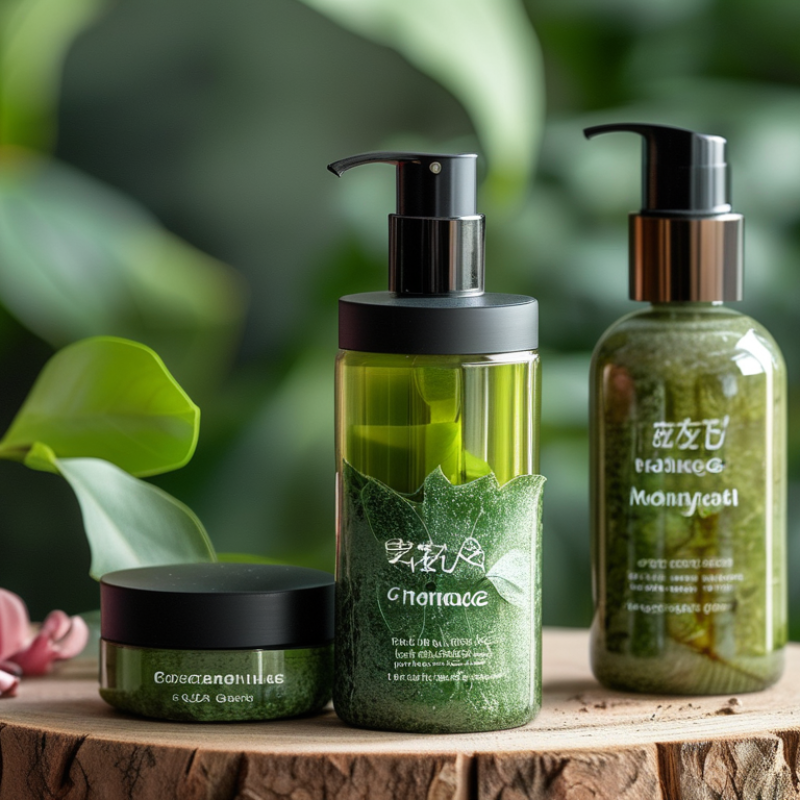
The rise of environmental awareness has significantly influenced consumer choices in the beauty industry. Reports indicate that over 70% of consumers are now more likely to purchase eco-friendly products. This shift is driven by a growing understanding of environmental issues. Additionally, 64% of shoppers believe that sustainability is crucial in their buying decisions. They seek products that reflect their values, emphasizing eco-conscious practices.
Many consumers are critical of traditional beauty products. A 2022 survey revealed that 50% of participants express concerns about harmful chemicals in cosmetics. They desire products that are not only safe for themselves but also for the environment. These concerns have pushed brands toward transparency and sustainable sourcing. Yet, some companies may use vague terms like "natural" without adequate explanation. This lack can lead to confusion and skepticism among consumers.
While the demand for eco-friendly options increases, many still find it challenging to navigate this landscape. A significant percentage, around 40%, report difficulty identifying truly sustainable products. Packaging can often mislead, complicating informed choices. This gap highlights the need for better education and clearer labeling in the industry. It raises questions about accountability and the real impact of these so-called eco-friendly products.
Eco-friendly beauty products offer numerous health benefits that are capturing the attention of consumers. Many traditional beauty items contain harmful chemicals. These ingredients can irritate the skin and cause allergies. Eco-friendly products, on the other hand, emphasize natural and safe components. By choosing these options, users can minimize the risk of skin reactions. Natural ingredients often hydrate and nourish the skin deeply.
Moreover, eco-friendly beauty products tend to be better for overall health. They are often free from parabens and sulfates, which are common in conventional products. Many eco-friendly items use plant-based oils and extracts. These can be gentler on the body. Consumers who switch to eco-friendly options may notice an improvement in their skin's texture and appearance. However, it's essential to remember that results may vary for individuals.
The shift towards eco-friendly beauty also promotes a healthier lifestyle. People are becoming more aware of what they apply to their skin. This consciousness can lead to better choices in other areas of life. Nevertheless, some may find the transition challenging. Not all eco-friendly products work as effectively for everyone. It’s crucial to test different products and listen to your body’s needs.
Sustainable sourcing is pivotal for creating eco-friendly beauty products. Sourcing materials responsibly ensures that ingredients come from renewable resources. It reduces environmental impact by limiting waste and pollution. Companies strive to select suppliers who adhere to sustainable practices. This commitment reflects a growing awareness among consumers of their ecological footprint.
Yet, the process isn't always perfect. Some brands may struggle with transparency in their sourcing methods. This lack of clarity can lead to mistrust among consumers. For instance, a product may claim to be eco-friendly while using ingredients that aren't sustainably sourced. Therefore, it’s essential for consumers to research brands diligently.
Moreover, making sustainable choices isn’t solely about product ingredients. Packaging plays a critical role too. Many products still use plastic that harms the environment. The challenge remains to find materials that are both eco-friendly and practical. As the market evolves, ongoing improvements in sourcing and packaging are vital for true sustainability.
| Reason | Description | Benefit |
|---|---|---|
| Health Consciousness | More consumers are aware of the harmful chemicals in traditional beauty products. | Promotes safer alternatives for skin health. |
| Environmental Concerns | Growing awareness of environmental issues drives demand for sustainable products. | Reduces environmental impact and pollution. |
| Cruelty-Free | Consumers prefer brands that do not test on animals. | Supports animal welfare and ethical consumerism. |
| Natural Ingredients | Products made with natural ingredients are seen as more desirable. | Enhances skin compatibility and reduces allergic reactions. |
| Transparency | Consumers demand more information about product sourcing and ingredients. | Builds trust and loyalty between consumers and brands. |
| Sustainable Packaging | Eco-friendly packaging options are highly sought after. | Minimizes waste and promotes recycling. |
| Social Responsibility | Brands that engage in responsible sourcing practices attract consumers. | Encourages ethical business practices and community development. |
| Customization | Personalized eco-friendly solutions are becoming popular. | Enhances user experience and satisfaction. |
| Community Support | Eco-friendly brands often support local communities. | Promotes local economies and sustainability initiatives. |
| Innovation | The beauty industry is innovating with new eco-friendly formulations. | Keeps the market fresh and appealing to consumers. |
The beauty industry is undergoing a significant transformation due to the rise of eco-friendly products. Consumers are increasingly aware of environmental issues. They seek products that are not harmful to the planet. Brands that adopt sustainable practices often enjoy a competitive edge. This shift reflects a broader societal change towards environmental consciousness.
Eco-friendly beauty products often use natural ingredients. They avoid harmful chemicals and excessive packaging. This choice aligns with the values of a growing customer base. Many users feel a personal connection to brands that prioritize sustainability. However, some products may not perform as well as conventional options. This leaves consumers wondering about efficacy versus eco-friendliness.
The demand for transparency is also rising. Educated consumers want to know where ingredients come from. They are questioning brand practices and sustainability claims. This scrutiny encourages brands to improve their manufacturing processes. Yet, some companies still struggle to balance green initiatives with profit margins. The challenge lies in adhering to ethical practices while meeting market demands.
Consumers today seek more than just product effectiveness. They want transparency in ingredients and manufacturing. Eco-friendly beauty products fit this need perfectly. The rise in demand reflects a growing awareness about environmental impact. People are increasingly questioning what goes into their skincare and makeup.
Ingredients matter. Many consumers prefer organic and natural components. They often search for information about sourcing and production processes. This transparency fosters trust and loyalty. Shoppers might scrutinize labels for certifications, sustainability claims, and ethical practices. However, not all brands provide clear information. Some hide behind vague terms and greenwashing tactics.
Trust is fragile. When brands fail to deliver transparency, it can lead to consumer disappointment. Customers want to connect with brands that share their values. They appreciate clear, authentic communication. Engaging storytelling about eco-friendly practices enhances brand credibility.
As consumers become more discerning, brands must step up, addressing gaps in transparency. The journey toward complete accountability is ongoing, and brands must navigate it thoughtfully.
: Eco-friendly beauty products reduce the risk of skin irritation and allergies. They use safe, natural ingredients that hydrate the skin.
These products often exclude harmful chemicals like parabens and sulfates. They use gentle plant-based oils, which can improve skin texture.
Results can vary per individual. Some may experience positive changes, while others may not see significant improvements.
Sustainable sourcing ensures materials come from renewable resources. It minimizes environmental impact and promotes responsible ingredient selection.
Consumers want to know what’s in their products. Transparency builds trust and loyalty, essential for brand-consumer relationships.
Research brands thoroughly. Look for clear sourcing information and certifications to avoid misleading greenwashing tactics.
Transitioning can be difficult. Not all products work the same for everyone, so testing and listening to your body is key.
Packaging affects environmental impact. Finding practical, eco-friendly materials remains a challenge within the industry.
No, some brands lack transparency in their sourcing. This can lead to distrust among consumers seeking genuine eco-friendliness.
They seek authenticity and clarity in ingredients and manufacturing. Engaging stories from brands enhance connection and credibility.
As environmental awareness continues to rise, consumers are increasingly seeking beauty products that prioritize sustainability and eco-friendliness. This shift in consumer choices highlights why are eco friendly beauty products popular; they not only minimize environmental impact but also promote health benefits for users. Incorporating natural and organic ingredients, these products often come from sustainable sources, reflecting a growing demand for transparency in the beauty industry.
The impact of eco-friendly beauty extends beyond individual health and choices, influencing broader trends within the beauty industry. Brands that adopt sustainable practices cater to the increasing consumer expectation for transparency, making eco-friendly options not just a preference but a necessity in today’s market. As awareness grows, it is clear that the popularity of eco-friendly beauty products stems from a combination of health consciousness, ethical sourcing, and a collective desire for a cleaner planet.

Boxo Beauty