The role of packaging in influencing customer perception is significant. Research indicates that about 72% of consumers judge a brand based on its packaging. This reflects the visual appeal and functionality of a product. Packaging serves as a silent salesman, communicating value and quality.
A study by McKinsey found that effective packaging can boost sales by up to 30%. It highlights the importance of design, color, and materials used. For instance, eco-friendly packaging often attracts younger consumers. They are more likely to support brands that align with their sustainability values.
However, not all packaging resonates positively with customers. Generic designs may lead to a perception of low quality. This raises questions about the balance between creativity and clarity. Brands must ensure packaging reflects their identity while appealing to consumer expectations. Thus, understanding "how does packaging influence customer perception" becomes crucial for successful marketing strategies.
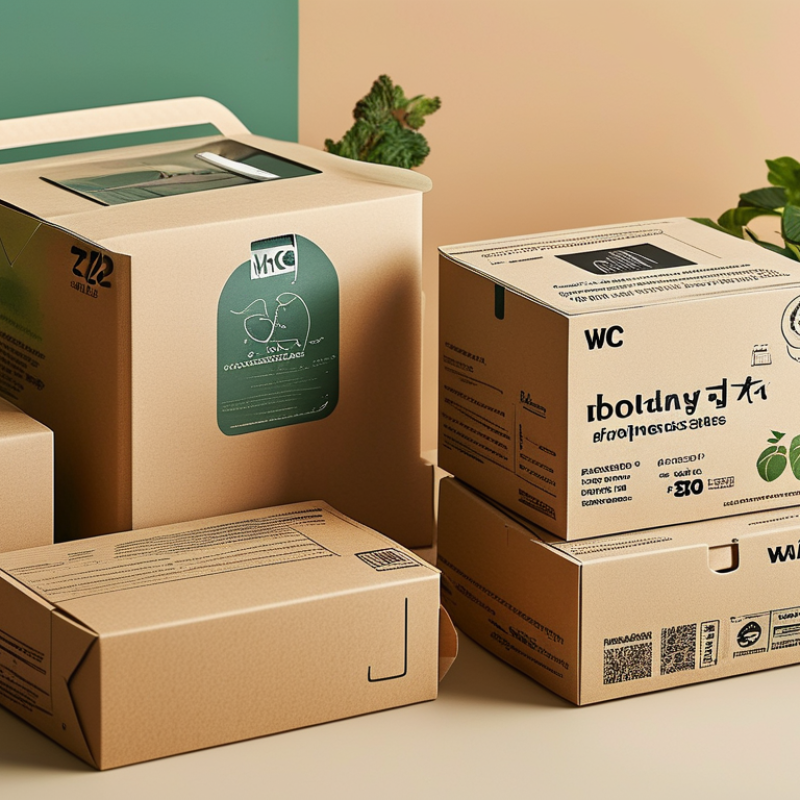
The Role of Packaging in Shaping Consumer Expectations
Packaging plays a crucial role in shaping consumer expectations. It serves not just as a protective layer, but also a communication tool. In fact, research shows that 72% of consumers judge a product by its packaging. This stark statistic highlights the significant influence of design and messaging on buyer perception.
Quality packaging signals higher value. It suggests that a brand cares about its product and its customers. An eye-catching package can create a sense of excitement, leading to higher engagement. A report from packaging experts indicates that 65% of consumers are more likely to share products on social media based on packaging aesthetics. This social aspect fosters brand loyalty and can drive sales, as consumers often want to be associated with visually appealing products.
However, not all packaging is perfect. An overemphasis on aesthetics can overshadow functionality. If a product is difficult to open, consumer satisfaction declines. Additionally, many brands face challenges in balancing sustainability with visual appeal. Consumers now seek eco-friendly packaging. Yet, achieving this while maintaining design integrity is a complex task. The ongoing shift towards sustainable practices demands reflection and innovation.
Design Elements That Capture Attention and Influence Choices
Packaging design plays a crucial role in shaping customer perception. According to a study by the Paper and Packaging Board, 72% of consumers say packaging design influences their purchase decision. Bright colors and unique shapes can significantly capture attention. For instance, products in innovative packaging often see a 30% increase in sales compared to traditional designs.
Visual elements, such as images and typography, also hold importance. A Nielsen report indicates that 63% of shoppers are more likely to buy a product with clear, well-designed packaging. This factor is particularly vital in crowded aisles, where first impressions matter most. Texture and material choice contribute as well, adding a tactile experience that resonates with buyers' emotions.
However, not all packaging efforts succeed. Companies must reflect on their design choices. Inconsistent branding can confuse consumers, leading to missed opportunities. Effective packaging should not only attract but also align with the brand's message. Striking a balance between aesthetics and functionality is an ongoing challenge.
Color Psychology: How Colors in Packaging Affect Buyer Mood
Packaging plays a crucial role in shaping customer perception. Colors in packaging significantly affect buyer mood and purchasing decisions. Research shows that colors evoke emotions. For instance, red can create excitement, while blue often conveys trust. Each color sends a message. Buyers might feel more inclined to purchase products based on these subtle cues.
Consider the psychological impact of specific colors. Yellow attracts attention but can also cause anxiety if overused. Green suggests freshness and health, appealing to eco-conscious consumers. Brands need to reflect on their color choices carefully. A mismatch between product and color can confuse customers and diminish brand credibility.
The design process should not overlook these elements. Color isn't just decoration; it’s a communication tool. Packaging meant for a luxury item should reflect sophistication, yet it can also intimidate if not balanced well. Sometimes, simpler designs with fewer colors may communicate reliability better than complex patterns. In essence, effective packaging requires a blend of creativity and psychological insights.
Branding and Packaging: Creating a Cohesive Identity for Products
Packaging is not just a protective layer—it is the first point of interaction between a brand and its customers. The colors, materials, and design elements visually communicate the brand’s identity. A cohesive identity can foster familiarity and trust. Consumers often judge a product within seconds of seeing its packaging. This initial impression can lead to purchasing decisions.
Creating an effective package goes beyond aesthetics. It requires understanding the target audience and their preferences. Is the design too flashy or too minimalist? Are the colors appealing or off-putting? Even texture can play a significant role. A tactile experience can enhance customer satisfaction. Brands should frequently evaluate their choices and seek feedback.
An essential factor is sustainability. Many consumers today prioritize eco-friendly packaging. Brands that overlook this may alienate potential buyers. However, a shift toward green packaging can be costly. It challenges brands to innovate while maintaining their identity. Reflection and adaptability are crucial in this ever-evolving market. Balancing consumer expectations with branding efforts is a continuous process.
Customer Perception Based on Packaging Attributes
Sustainability in Packaging: Impact on Customer Perception and Choices
Sustainability in packaging has emerged as a crucial factor influencing customer perception. A study by McKinsey found that 67% of consumers consider packaging sustainability when purchasing. When customers see eco-friendly materials, they feel a connection to brands that prioritize the environment. This emotional bond enhances brand loyalty.
Research indicates that sustainable packaging can increase purchase intent by up to 20%. Consumers are looking for transparency in materials and processes. However, not all options are cost-effective. Brands must balance sustainability with affordability. This creates a dilemma that requires strategic thinking.
Tip: Consider using recycled materials. Communicate this choice clearly on your packaging. This can enhance trust with your customers.
Many consumers also express skepticism about "greenwashing." They are savvy and often research before making a choice. Packaging that lacks sincerity can backfire. Brands must ensure that their sustainability claims are genuine and backed by reputable certifications.
Tip: Regularly audit your packaging practices. Ensure they align with your sustainability message. Credibility is key to maintaining customer trust.
How Does Packaging Influence Customer Perception for Buyers?
| Packaging Type |
Customer Perception Score (1-10) |
Sustainability Rating (1-10) |
Impact on Purchase Decision (%) |
| Biodegradable Packaging |
8 |
9 |
75% |
| Recyclable Packaging |
7 |
8 |
70% |
| Plastic Packaging |
5 |
3 |
30% |
| Glass Packaging |
9 |
10 |
80% |
| Metal Packaging |
7 |
7 |
65% |
FAQS
: 72% of consumers say packaging design affects their choices. Bright colors and unique shapes grab attention.
Clear images and typography attract buyers. 63% of shoppers prefer well-designed packaging in crowded aisles.
Yes, texture enhances the tactile experience. It resonates with buyers' emotions, influencing their choices.
67% of consumers consider sustainability when buying. Eco-friendly packaging connects them emotionally with brands.
Research shows sustainable packaging can raise purchase intent by up to 20%. Consumers seek transparency.
Balancing sustainability and cost can be tough. Brands need strategic thinking in choosing materials.
Use recycled materials and communicate this clearly. Transparency enhances customer trust significantly.
Greenwashing misleads consumers about sustainability. Many do research; insincere claims can damage brand credibility.
Regularly audit packaging practices. This helps maintain credibility and trust with customers over time.
Yes, inconsistent branding can confuse consumers. Companies must reflect on their design choices carefully.
Conclusion
Packaging plays a crucial role in shaping customer perception by influencing their expectations and choices. The design elements of packaging, such as shape, size, and visual appeal, can capture attention and drive purchasing decisions. Additionally, color psychology plays a significant role, as different colors evoke various moods and emotions in buyers, impacting their overall experience and satisfaction with a product.
Moreover, effective branding through packaging helps create a cohesive identity for products, making them more recognizable and memorable to consumers. As sustainability becomes increasingly important, eco-friendly packaging also influences customer perception, as buyers are now more inclined to support brands that prioritize environmental responsibility. Ultimately, understanding how does packaging influence customer perception is essential for businesses looking to enhance their market presence and establish stronger connections with their audience.

 Boxo Beauty