In the dynamic beauty industry, packaging plays a vital role in attracting consumers. Brands constantly ask themselves, "what packaging attracts beauty consumers most?" This question goes beyond aesthetics. Consumers are drawn to packaging that tells a story, reflects sustainability, and adheres to their values.
Eye-catching designs, unique textures, and eco-friendly materials are essential. A beautiful bottle or jar can create a strong first impression. However, is it enough? Many consumers now seek deeper connections with brands. They appreciate transparency and innovation in packaging. It can reflect the product's quality and brand ethos.
Some brands excel, while others fall short. Brands must adapt to changing consumer preferences. Are they considering inclusivity and accessibility in their designs? These factors matter as consumers increasingly expect more. Pursuing the right packaging strategy involves understanding diverse audience needs, continually testing, and refining approaches. The quest continues for brands: how to balance attractiveness and functionality effectively?
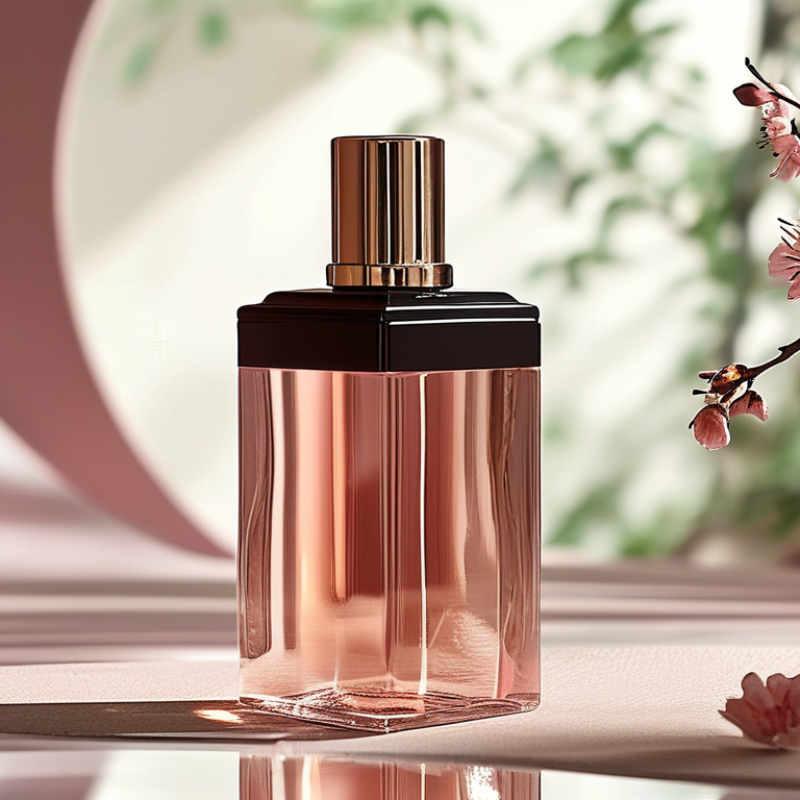
In the beauty industry, packaging plays a pivotal role in consumer choices. A well-designed package can captivate attention and influence purchase behavior. Colors, shapes, and materials create first impressions that often lead to engagement. For instance, elegant, minimalist designs may attract a luxury-oriented audience, while vibrant colors appeal to younger consumers looking for excitement.
People also value practical features. Easy-to-open packaging, user-friendly dispensers, and refillable options enhance usability. Many consumers seek eco-friendly materials, reflecting a growing preference for sustainability. These choices are not just trends; they signify a shift in consumer values toward responsible practices.
**Tip:** Ensure your product packaging stands out on shelves. Use unique shapes and striking color schemes that resonate with your target audience.
Reflecting on your packaging design is essential. Consider whether it aligns with your brand message and meets consumer expectations. Gathering feedback from potential customers can provide insights into what resonates and what doesn’t.
**Tip:** Test different designs with focus groups. Understand what elements attract attention and why.
Color psychology plays a crucial role in beauty packaging design. Different colors evoke specific emotions and perceptions. For instance, red often signals passion and energy, while blue conveys calmness and trust. Selecting the right color for packaging can draw consumers in and influence their purchasing decisions. It’s intriguing how a simple color choice can change the way beauty products are perceived.
Consumers often respond subconsciously to color. Research shows that 85% of shoppers focus on color when deciding. Therefore, packaging must resonate with target audiences. For example, vibrant colors can create excitement for a daring makeup line. On the other hand, pastel shades might attract consumers seeking skincare products that emphasize gentleness.
However, brands sometimes overlook cultural differences in color interpretation. What works in one region might not in another. This requires careful consideration in design. While certain hues can attract attention, they can also alienate specific demographics if not chosen thoughtfully. Packaging design should invite curiosity while remaining authentic to the brand. Balancing these elements can be challenging but is vital for appealing packaging.
Sustainable packaging is becoming a key factor for beauty consumers. Many shoppers now prefer products that showcase eco-friendly designs. This shift reflects growing environmental awareness. Brands that prioritize sustainability attract more conscious buyers.
Using biodegradable materials is one effective strategy. These options break down naturally, reducing waste. Consider using recycled paper or plant-based plastics. These can enhance brand image significantly. Shoppers appreciate transparency in sourcing and materials used.
Tips: Use minimalistic designs to convey simplicity. Clear, concise messaging on sustainability can boost consumer trust. Highlight the environmental benefits clearly on labels. This approach can engage consumers emotionally, encouraging them to choose your product over others.
When it comes to beauty products, innovative packaging plays a crucial role in capturing consumer attention. Today’s beauty consumers are not just looking for quality; they seek experiences. Unique shapes, vibrant colors, and sustainability are key factors that draw them in. Creative designs can communicate the brand's ethos, making the product stand out on the shelf.
Tips: Consider eco-friendly options. Consumers appreciate brands that prioritize sustainability. Clear and transparent packaging can also enhance trust. It allows customers to see the product before buying.
Many consumers are drawn to multifunctional packaging. This not only adds value but also creates a sense of convenience. Carousel compacts or refillable containers are great examples. They encourage consumers to buy and save. However, it’s essential to focus on usability too. Some designs may look attractive but can be impractical in daily use. Engaging with customer feedback can help improve these aspects and address their needs effectively.
Branding consistency plays a pivotal role in beauty packaging effectiveness. When consumers recognize a brand, they feel a sense of familiarity and trust. A consistent look and feel create an emotional connection. Colors, fonts, and design elements must align across all products. This visual harmony can shape perceptions and purchasing decisions.
Consider the importance of visual storytelling. Each design choice communicates values and quality. For example, sleek lines suggest modernity, while organic shapes may signal natural ingredients. Misalignment between packaging and product can lead to confusion. A consumer may pick up a product and feel disconnected if it doesn’t match their expectations. This inconsistency can undermine brand loyalty.
Reflecting on packaging choices reveals areas for improvement. Brands may become too focused on trends, risking their identity. What works today might not resonate tomorrow. Regular assessments can help brands stay relevant while maintaining their core messaging. Ultimately, effective beauty packaging should embrace both consistency and adaptability.
| Packaging Type | Color Scheme | Material | Design Complexity | Brand Recognition (%) | Consumer Preference (%) |
|---|---|---|---|---|---|
| Bottle | Pastel Colors | Glass | Moderate | 78% | 65% |
| Jar | Bold Colors | Plastic | Simple | 72% | 58% |
| Box | Neutral Tones | Cardboard | Complex | 85% | 62% |
| Tube | Bright Colors | Plastic | Moderate | 70% | 57% |
| Spray | Monochrome | Metal | Simple | 82% | 66% |
: Packaging captivates attention and influences purchase behavior through its design, colors, and materials.
Elegant designs attract luxury buyers, while vibrant colors appeal to younger consumers seeking excitement.
Easy-to-open designs, user-friendly dispensers, and refillable options enhance usability and attract buyers.
Many consumers prefer eco-friendly designs that reflect their growing environmental awareness and responsible values.
Testing designs with focus groups can help identify what attracts consumers and aligns with brand messaging.
Biodegradable materials, recycled paper, and plant-based plastics can significantly enhance a brand’s image.
Clear labeling on materials and sustainability boosts consumer trust and encourages them to choose the product.
Unique shapes and multifunctional designs, like refillable containers, add value and enhance convenience for users.
Some designs may look appealing but can be impractical in daily use, needing improvements based on feedback.
Simple and clear messaging about sustainability can emotionally engage consumers and encourage purchases.
In exploring what packaging attracts beauty consumers most, the article delves into several key factors that influence purchasing decisions. Firstly, the features of packaging, including convenience and usability, play a significant role in attracting consumers. Additionally, color psychology is highlighted as a powerful tool in beauty packaging design, where specific colors can evoke emotions and drive consumer engagement.
The article also emphasizes the growing importance of sustainable packaging, as eco-friendly options resonate with today's environmentally conscious consumers. Innovative packaging formats, such as refillable or multifunctional designs, further engage and attract consumers by offering practicality and uniqueness. Lastly, the effectiveness of beauty packaging is significantly influenced by branding consistency, which helps establish a recognizable identity and fosters consumer trust. Collectively, these elements underscore the multifaceted approaches brands can take to captivate beauty consumers.

Boxo Beauty