How to Ensure Cosmetic Packaging Quality Worldwide?

Time:2026-09-06 Author:Mason
0%

Cosmetic packaging must protect the formula, communicate trust, and perform consistently across markets. The challenge is not limited to appearance. A beautiful jar can still leak, crack, or react with its cream. To understand how to ensure cosmetic packaging quality, brands need a controlled process covering materials, design, production, transport, and customer use.

Philip Kotler, a widely recognized authority on product and packaging strategy, stated, “Packaging involves designing and producing the container or wrapper for a product.” This simple definition remains practical. Packaging is part of the product experience. It also affects safety and reliability. Teams should test bottle compatibility, pump performance, closure torque, drop resistance, label adhesion, and color stability. They should inspect production samples, not only approved prototypes. Small details matter. A loose cap matters.

Global quality programs should use documented specifications and traceable batch records. They should also include supplier audits, sampling plans, and accelerated stability testing. Different climates can expose weak packaging quickly. Heat may deform plastic. Humidity may weaken labels. Air transport may increase leakage risks. These conditions deserve physical testing before launch.

Yet no system is perfect. A laboratory result may not reflect every consumer’s bathroom shelf. Human mistakes can happen during filling or inspection. That is uncomfortable, but useful. Brands should review complaints honestly and update their controls. Independent testing can strengthen credibility, especially when entering unfamiliar markets. Consistent quality requires evidence, not confident claims. With disciplined testing and continuous correction, cosmetic companies can build packaging that remains safe, functional, and trustworthy worldwide.
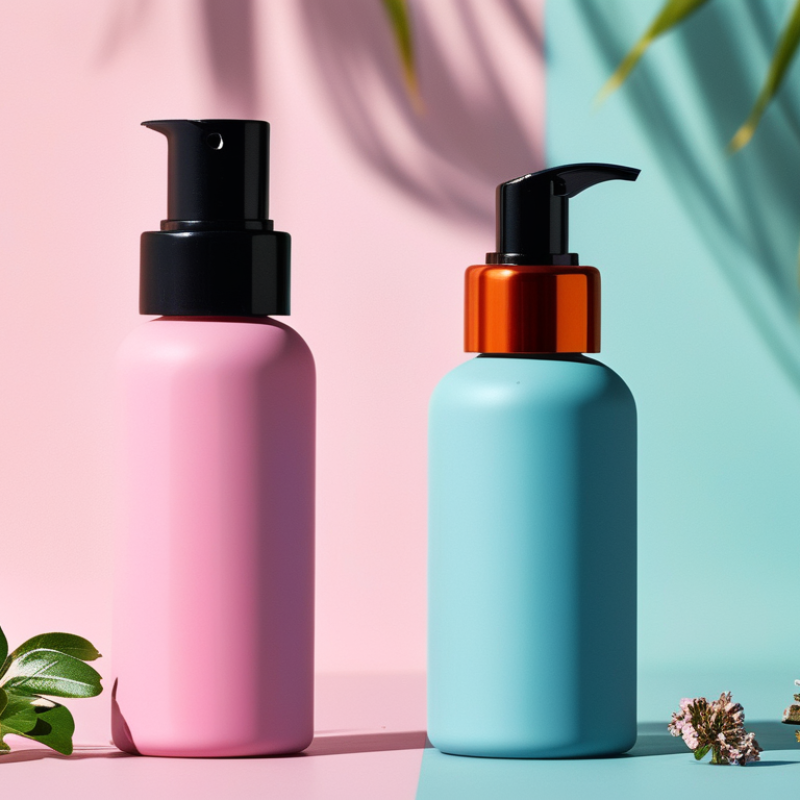
How to Ensure Cosmetic Packaging Quality Worldwide?

Defining Global Cosmetic Packaging Quality Standards

Global cosmetic packaging quality starts with a shared definition, not a single inspection sheet. In production reviews, teams should assess safety, function, appearance, and traceability together. The container must suit the formula and resist cracking, swelling, staining, or unwanted odor. Pumps and caps need consistent torque, smooth dispensing, and reliable resealing. Small defects matter. A loose closure can ruin an entire shipment.

A global standard should include measurable tests and clear acceptance limits. These may cover leakage, drop resistance, compression, temperature changes, color consistency, and print durability. Packaging should also be checked for material compatibility and possible substance transfer into the product. Test samples need defined quantities, storage conditions, and inspection times. Results should remain traceable through batch codes, supplier records, and signed quality reports.

Transport creates another challenge. A package that performs well in a factory may fail after vibration, humidity, or repeated handling. Regional climate simulations can reveal weak seals and warped components. Supplier audits should review equipment maintenance, inspection training, and corrective actions. Yet no checklist is flawless. Overlooking an unusual formula or a new filling speed can produce unexpected failures. That is why real-use trials, customer feedback, and periodic standard reviews remain necessary. Consistency improves when every market uses the same core criteria, while local teams document justified adjustments.

Selecting Compliant Materials and Reliable Suppliers

How to Ensure Cosmetic Packaging Quality Worldwide?

Selecting Compliant Materials and Reliable Suppliers

Cosmetic packaging quality begins with material selection, not attractive decoration. Choose containers designed for the formula’s acidity, oils, alcohol content, and fragrance load. A compatible material protects the product from leakage, discoloration, odor transfer, and unwanted chemical migration. Request technical data, safety documents, and migration test reports before approving samples.

Small details matter.

Reliable suppliers provide consistent batch records, traceability codes, and documented quality controls. During supplier audits, inspect raw material storage, cleanliness, calibration records, and defect-handling procedures. I have found that a polished factory visit can hide weak controls, so production evidence matters more than presentation. Ask for samples from several batches, not just one carefully selected unit.

Test the complete package, including the pump, cap, label, and closure. Conduct drop tests, vibration tests, temperature cycling, and compatibility checks using the finished formula. Transport conditions can expose problems that laboratory testing misses. Suppliers should explain corrective actions clearly when failures occur. Their response often reveals more than their certificates.

Global distribution adds uncertainty. Packaging may face heat, freezing temperatures, humidity, customs delays, and long warehouse storage. Confirm that materials and manufacturing processes meet the requirements of each intended market. Keep approvals, test results, change notifications, and inspection photos in one controlled record. No supplier is perfect, including those with impressive paperwork. Recheck critical components when formulas, tooling, or production locations change.

Designing Safe, Functional, and Consistent Packaging

Safe, functional, and consistent packaging requires more than attractive artwork. It must protect formulas during filling, transport, storage, and daily use. The OECD’s Global Plastics Outlook (2022) recorded 353 million tonnes of plastic waste in 2019, with only 9% recycled. This makes material selection and end-of-life planning practical quality concerns. Packaging teams should test container compatibility, leakage, drop resistance, closure torque, print durability, and performance under heat and humidity. Small failures become costly across international shipments.

Tips: Build a risk-based test plan. Compare samples from different production batches. Record results clearly. Check both filled and empty packs. Use ISO 22716 principles for controlled manufacturing practices, then confirm local packaging and labeling requirements before launch.

Consistency also depends on measurable specifications. Define wall thickness, color tolerance, dimensions, pump output, and acceptable cosmetic defects. A packaging engineer should approve reference samples and retain them for future comparisons. Intertek’s 2023 Global Packaging Trends research highlights growing pressure for recyclable and lower-impact formats, but sustainability cannot weaken product protection. A lighter bottle that cracks is not a better solution. In practice, teams sometimes approve laboratory samples too quickly. That is a mistake worth questioning. Real-world vibration, temperature changes, and repeated consumer handling can expose weaknesses that controlled testing misses. Corrosion checks, compatibility screening, and transport simulation should reflect the destination markets, not only the factory environment.

Testing Packaging Performance Across Global Markets

How to Ensure Cosmetic Packaging Quality Worldwide?

Packaging performance changes sharply across global markets. A jar that survives a temperate warehouse may crack after air transport, heat, or altitude changes. Experienced quality teams test materials under realistic conditions, not only in clean laboratories. They examine closure torque, leakage, drop resistance, vibration, compression, and label adhesion. Small details matter. A loose cap can damage an entire shipment.

Testing should reflect each destination’s climate and distribution route. Use temperature cycling, humidity exposure, UV aging, and pressure simulation before approval. ASTM D4169 and ISTA protocols provide structured distribution testing, while ISO 11607 principles support package integrity assessment. Cosmetic containers also need compatibility testing with formulas, especially oils, alcohols, acids, and fragrances. Inspectors should record seal deformation, color change, odor transfer, and surface stress. These observations create traceable evidence for corrective decisions.

The OECD’s Global Plastics Outlook reports that 353 million tonnes of plastic waste were generated in 2019, with only 9% recycled. This finding increases pressure to use lighter, recyclable packaging without weakening performance. UNEP’s 2023 Turning off the Tap report estimates that plastic pollution could fall by 80% by 2040 through system-wide action. Yet lightweight designs can become fragile. That trade-off deserves honest review. Testing may also miss unusual handling, rushed filling, or regional storage conditions. Retesting after material, supplier, or process changes remains essential.

Implementing Quality Control and Continuous Improvement

Implementing Quality Control and Continuous Improvement

Cosmetic packaging quality depends on repeatable controls, not final inspection alone. A leaking pump, loose cap, or scratched jar can damage trust before use. ISO’s Survey of Certifications reported more than 1.2 million ISO 9001 certificates worldwide in 2022. This reflects the value of documented processes, but certification cannot replace practical testing. Quality teams should inspect incoming materials, monitor filling lines, and test finished units under heat, cold, vibration, and pressure. Record results by supplier, batch, mold, and production shift. Small patterns often reveal larger failures.

Continuous improvement needs evidence and honest review. Use defect-per-million data, customer complaints, return rates, and line stoppages to identify recurring causes. The Ellen MacArthur Foundation’s 2023 Global Commitment report showed that packaging commitments are increasing, yet progress remains uneven across materials and markets. That inconsistency matters. A cap may pass in one climate but warp during shipping in another. Teams should compare regional data, update specifications, and repeat transport tests after every major change. Some inspections still miss intermittent pump faults. That is a useful weakness to investigate, not hide.

Tips: Keep retained samples from every production batch. Photograph defects before disposal. Audit critical suppliers at least annually. Use a simple corrective-action log with an owner and deadline. Review it monthly. Train inspectors with real failed samples, not only perfect examples. When a test result looks unusually clean, check the method again. Perfect data can be a warning sign.

FAQS

: How should cosmetic packaging materials be selected?

: Match the container with the formula’s acidity, oils, alcohol content, and fragrance level. Check for leakage, discoloration, odor transfer, and chemical migration. Request technical data, safety documents, and migration test reports. Compatibility matters most.

What should a reliable packaging supplier provide?

A reliable supplier should provide batch records, traceability codes, and documented quality controls. Review raw material storage, cleanliness, equipment calibration, and defect-handling procedures. Ask for samples from several production batches. One sample is not enough.

Which packaging components require testing?

Test the complete package, including the container, pump, cap, label, and closure. Check drop resistance, vibration performance, temperature changes, leakage, and closure torque. Test filled packages with the finished formula. Empty packs can mislead.

How can packaging survive international transport?

Simulate heat, freezing temperatures, humidity, pressure changes, vibration, and long warehouse storage. Test the actual distribution route and destination climate. Inspect seal deformation, surface stress, label adhesion, and color changes. Transport reveals weaknesses.

What packaging specifications should be documented?

Define wall thickness, dimensions, color tolerance, pump output, closure torque, and acceptable cosmetic defects. Keep an approved reference sample for future comparisons. Record inspection results with photographs and batch details. Details prevent arguments.

How should formula compatibility be evaluated?

Store filled packages under different temperatures and humidity levels. Check for swelling, cracking, discoloration, odor transfer, leakage, and surface changes. Pay special attention to oils, acids, alcohols, and fragrances. Do not trust appearance alone.

Can lightweight packaging improve sustainability?

Lighter packaging may reduce material use and transport weight. However, a thin container can crack during shipping or repeated handling. Evaluate recyclability without weakening product protection. Lighter is not automatically better.

When should packaging be retested?

Retest after changes to materials, suppliers, tooling, formulas, or production locations. Also retest when transport routes or destination climates change. Keep approvals, test results, change notices, and inspection photos together. Certificates age.

Conclusion

Ensuring consistent cosmetic packaging quality worldwide requires a structured process that combines clear standards, dependable sourcing, thoughtful design, and ongoing improvement. The first step is to define measurable quality requirements for materials, appearance, durability, hygiene, labeling, and product compatibility across different markets. Selecting suitable materials and reliable suppliers is equally important, supported by supplier evaluations, documented specifications, and regular performance reviews.

To understand how to ensure cosmetic packaging quality, manufacturers should design packaging that is safe, functional, user-friendly, and visually consistent while protecting the product throughout its lifecycle. Packaging should be tested under varied conditions, including temperature changes, humidity, transportation vibration, pressure, and long-term storage. Finally, effective quality control should include incoming material inspections, production checks, sampling procedures, traceability, and final audits. By analyzing defects, responding to feedback, and continuously refining processes, companies can improve reliability and maintain consistent packaging performance worldwide.

Mason

Mason

Mason is a seasoned marketing professional with a deep expertise in the company's offerings and a passion for driving brand awareness. With a strong background in digital marketing strategies, he has an innate ability to connect with diverse audiences and effectively communicate product benefits.......