In the fast-paced retail environment, product packaging plays a crucial role in capturing attention. A well-designed package can increase consumer interest significantly. According to a study by the Paper and Packaging Board, 72% of consumers believe packaging design influences their purchasing decisions. This statistic underscores the importance of understanding how to improve shelf appeal with packaging.
Effective packaging solutions can differentiate a brand in a crowded market. Research by Nielsen indicates that nearly 70% of purchase decisions are made at the shelf. This highlights the necessity for brands to invest in innovative and attractive packaging. Colors, materials, and shapes can all affect consumer perception. For instance, eco-friendly packaging may attract environmentally-conscious shoppers, while bold designs can appeal to younger demographics.
Even with the right vision, brands often struggle with execution. Many overlook the significance of consistency in branding and packaging. Discrepancies can confuse consumers and diminish trust. It's essential for companies to reflect on their packaging strategy continuously. They must seek feedback and adapt to changing consumer preferences. The path to enhancing shelf appeal requires both creativity and critical analysis.
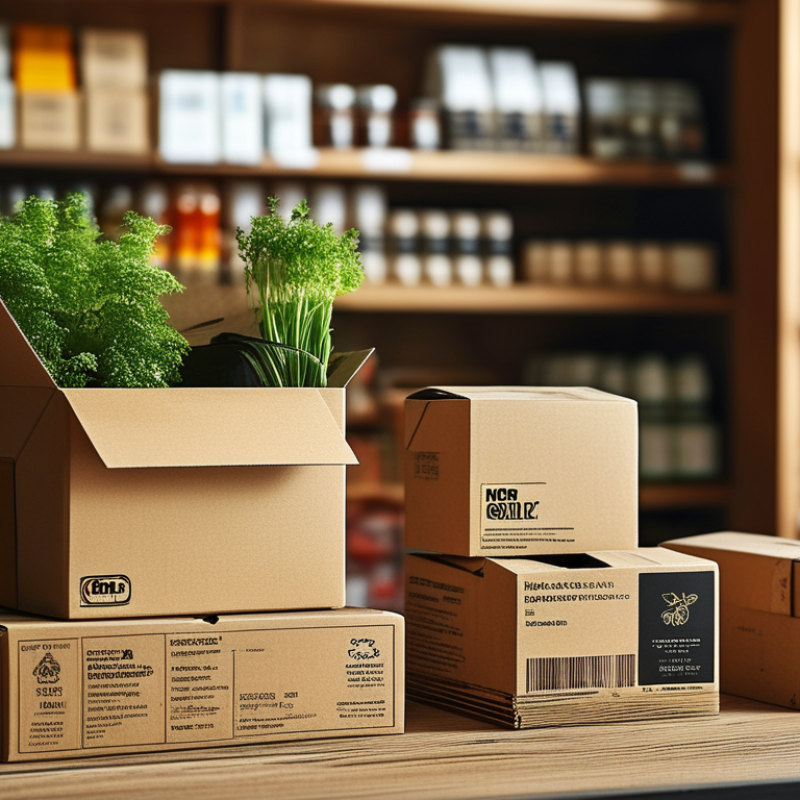
Shelf appeal plays a crucial role in retail. It refers to how appealing a product looks on the shelf. High shelf appeal can attract customers and boost sales. A product’s design, color, and arrangement all contribute to its shelf presence. Retailers value products that stand out in a crowded marketplace.
Tips for enhancing shelf appeal include focusing on color schemes. Bold colors can catch the eye, but it’s vital to align them with brand identity. Additionally, consider the materials used for packaging. Sustainable options are increasingly popular, resonating with eco-conscious consumers. The shape of the packaging can also influence visibility. Unique shapes draw attention but may not always be practical.
Another factor is the labeling. Clear and concise information helps customers make quick decisions. Avoid cluttered designs that confuse consumers. Some brands overlook the importance of storytelling through packaging. Engaging narratives can create an emotional connection, fostering brand loyalty. Reflect on the effectiveness of your current packaging. Continuous improvement is key in this competitive market.
Effective packaging design plays a crucial role in enhancing shelf appeal. It not only attracts customers but also communicates your brand’s message. Key elements include visuals, materials, and user experience. Strong graphics and colors can capture attention quickly. They should resonate with your target audience. Avoid overly complex designs; simplicity often works best.
When selecting materials, consider sustainability. Eco-friendly packaging can appeal to environmentally conscious consumers. Keep in mind that different materials convey various emotions. For example, glass gives a premium feel, while cardboard can suggest eco-friendliness. Experiment with textures; they can enhance the sensory experience.
Tips for impactful packaging include testing your designs with real consumers. Observe their reactions and collect feedback. This can reveal what works and what doesn’t. Another important aspect is functionality. Ensure the packaging protects the product well. If it’s hard to open, customers might be frustrated. Remember, every detail matters in creating a compelling shelf presence.
Packaging is more than just a container; it’s the first point of contact with consumers. Innovative materials, like biodegradable plastics and smart packaging, can significantly enhance shelf appeal. According to a report from Smithers Pira, sustainable packaging is expected to grow to $400 billion by 2024. As consumers become more eco-conscious, brands that adopt these materials may attract more attention. However, design is equally crucial.
Techniques such as embossing and using vibrant colors can create a strong visual impact. A recent survey published by Packaging Strategies indicated that 72% of consumers judge a product based on its packaging. Eye-catching designs can evoke emotions and drive purchasing decisions. Yet, the balance between aesthetics and functionality remains a challenge. Customers may appreciate a beautiful package but expect it to be practical too.
The rise of augmented reality in packaging is an exciting trend. Brands can engage consumers more interactively through AR experiences. However, integrating technology can be complex and requires careful planning. Companies might find that flashy designs distract from the product itself. As the industry progresses, continual assessment of consumer preferences is essential for effective packaging solutions.
In today’s market, packaging serves as more than just a protective layer; it is a crucial touchpoint with consumers. Tailoring your packaging to the preferences of your target audience can significantly enhance shelf appeal. Understanding your audience's demographics and values can guide your packaging design choices.
One effective strategy is to incorporate eco-friendly materials. Many consumers today prefer products with sustainable packaging. Using recycled materials or biodegradable options can resonate with environmentally conscious shoppers. It’s essential to communicate this commitment clearly on the packaging. This appeals to their values and boosts your brand’s credibility.
**Tip:** Conduct surveys or focus groups to gather insights on consumer preferences. Engage your audience to learn what impacts their purchasing decisions.
Incorporating vibrant colors and unique shapes can also capture attention. Research indicates that specific color schemes evoke different emotions. A youthful, energetic design may attract a younger audience. However, it’s important to ensure that your design aligns with your brand identity. Striking the balance between creativity and clarity is key.
**Tip:** Analyze competitor packaging to find areas for improvement. Identify what stands out and what feels overdone or cliché.
Remember, constant reflection on your packaging choices is necessary. What worked in the past may not resonate today. Regularly revisit and revise your packaging strategy to stay relevant in the ever-changing market landscape.
| Packaging Strategy | Description | Target Audience | Effectiveness Rating (1-5) |
|---|---|---|---|
| Eco-friendly Materials | Using sustainable materials to attract environmentally conscious consumers. | Eco-conscious shoppers | 5 |
| Bold Color Choices | Utilizing bright and bold colors to stand out on shelves. | Young adults and teens | 4 |
| Unique Shapes | Creating packaging in unusual shapes to capture consumer attention. | Children and novelty seekers | 4 |
| Clear Windows | Incorporating clear sections to showcase the product inside. | Gourmet food buyers | 5 |
| Minimalist Design | Simplifying packaging to focus on quality and brand message. | Luxury consumers | 5 |
Effective packaging is more than just a container for a product; it is a core component of marketing strategy. According to a report by the Paper and Packaging Board, packaging influences consumer decisions in over 70% of cases. Consumers gravitate towards visually appealing designs. Innovative packaging can lead to a significant boost in purchasing behavior.
Research indicates that products with premium packaging can command up to a 30% higher price point. Packaging can convey quality and enhance perceived value. For instance, a study from the Journal of Marketing Research found that colorful and well-structured packaging improves product attractiveness. However, it is important to ensure that packaging aligns with brand identity. Misalignment can lead to consumer confusion and lost sales.
While eye-catching designs are essential, sustainability is becoming a priority for consumers. A survey by Nielsen revealed that 66% of global respondents would pay more for sustainable packaging. However, many brands struggle with finding a balance between aesthetics and environmental impact. Failing to address this can hamper sales. Companies must strive to test various packaging options to discover the optimal blend of style and sustainability for enhancing sales performance.
: Shelf appeal refers to how appealing a product looks on store shelves. It can attract customers effectively.
High shelf appeal boosts sales by catching customers' attention in a crowded marketplace.
Focus on color schemes and materials. Bold colors help, but must align with your brand identity.
Sustainable materials are popular among eco-conscious consumers. They can improve the product's image.
Clear labels help customers make quick decisions. Avoid cluttered designs that can confuse them.
Yes, storytelling can create emotional connections and foster brand loyalty. It’s worth considering.
Test designs with real consumers. Observe reactions and gather feedback to improve effectiveness.
Ensure packaging protects the product well. Difficult-to-open designs can frustrate customers.
Yes, simplicity often resonates better with customers than overly complex designs. Always aim for clear messages.
Continuous improvement is key in a competitive market. Regular reflection on effectiveness is essential.
Enhancing shelf appeal is crucial for retail success, and understanding its importance is the first step. Effective packaging design plays a significant role, requiring attention to key elements such as color, material, and shape that attract consumers. Innovative materials and techniques can elevate packaging from ordinary to eye-catching, making products stand out on the shelves.
To improve shelf appeal with packaging, it is essential to tailor designs to the target audience, ensuring that the packaging resonates with consumer preferences and behaviors. Additionally, measuring the impact of packaging on sales performance provides valuable insights into the effectiveness of these strategies, helping businesses refine their approach and maximize their appeal in a competitive market.

Boxo Beauty