In the cosmetics industry, branding is crucial. It defines the product's image and attracts consumers. That's where packaging comes into play. "Why is cosmetic packaging important?" asks Dr. Lisa Green, a leading expert in cosmetic branding. She notes, "The right packaging can elevate a product beyond its function."
Effective packaging can shape first impressions. It conveys quality and value, influencing buying decisions. According to research, over 70% of consumers form opinions based on packaging design. Yet, many brands overlook this aspect, missing opportunities for connection. Poorly designed packaging can lead to confusion. It might not communicate the product's benefits effectively. This is where reflection is necessary. Are brands really considering how their packaging affects consumer perceptions?
Furthermore, sustainability is becoming increasingly important in packaging choices. Consumers seek brands that align with their values. If a brand fails to embrace eco-friendly packaging, it risks losing market share. Dr. Green emphasizes the need for both creativity and responsibility. The question remains: Is your packaging telling the right story?
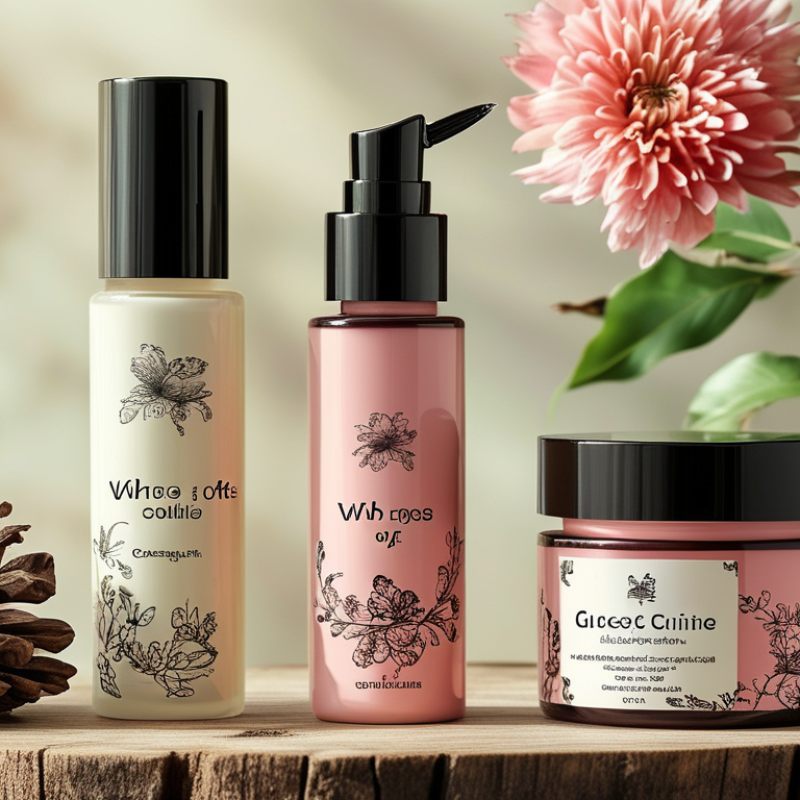
In the beauty industry, packaging plays a pivotal role in forming brand identity. It is often the first point of contact between the consumer and the brand. Eye-catching designs can evoke emotions and communicate a brand’s story. The choice of colors, materials, and shapes can reflect a brand's values and target audience. For example, eco-friendly materials can resonate with environmentally conscious consumers, conveying a sense of responsibility.
Yet, not all packaging achieves its intended impact. Some brands overlook the significance of tactile experiences. A sturdy, well-designed package can suggest quality, while flimsy packaging may imply otherwise. Reflecting on the materials chosen can be enlightening. Are they sustainable? Do they represent the brand’s ethos? The wrong choice might alienate potential customers.
In addition, consistency in packaging across the product line strengthens brand recognition. When consumers see familiar packaging, they often feel a sense of trust. However, some brands may change their designs too frequently, causing confusion. A delicate balance is essential. Brands must continually evolve while maintaining core elements that define them. This is a challenge worth pondering.
: Packaging design significantly impacts consumer choices. Approximately 72% of consumers state it affects their purchasing decisions.
Sustainability is crucial in packaging. Over 70% of consumers prefer brands with eco-friendly options.
Usability ensures functionality. Poor packaging can lead to product damage and customer disappointment.
Storytelling creates emotional connections. Engaging narratives can encourage brand loyalty and repeat purchases.
Brands often struggle with sourcing sustainable materials and maintaining product quality. Implementing eco-friendly solutions can be costly.
Yes, 57% of consumers are open to paying more for products with eco-friendly packaging.
Innovative packaging can reduce costs and attract eco-conscious consumers, leading to increased brand loyalty.
Feedback on packaging methods helps identify flaws. Observing user experience can reveal opportunities for improvement.
Brands risk losing market share. Consumers may choose more sustainable competitors.
Effective packaging shapes customer perceptions. Even small design changes can elevate perceived value and quality.
Cosmetic packaging plays a crucial role in the success of beauty businesses, as it significantly contributes to brand identity establishment. Effective packaging design not only reflects the brand's values but also captures consumer attention, heavily influencing purchasing decisions. This highlights why is cosmetic packaging important; it creates an emotional connection with potential customers and differentiates products in a crowded marketplace.
In addition to branding, sustainability trends are reshaping the cosmetic packaging landscape, with consumers increasingly prioritizing eco-friendly options. Businesses must navigate these trends while ensuring cost-effectiveness, exploring innovative packaging solutions that attract buyers without compromising on quality. Furthermore, understanding legal considerations and regulations surrounding packaging design is essential for compliance and consumer trust. Overall, the strategic approach to cosmetic packaging is vital for building a successful brand and adapting to an evolving market.

 Boxo Beauty