Choosing a cosmetic packaging supplier in China can shape product quality, launch timing, and customer experience. A sample jar may look polished under studio lights, yet its cap can loosen after repeated use. Small details matter. This guide explores how to choose cosmetic packaging by looking beyond catalog photos and quoted prices. It considers materials, decoration options, production capacity, communication, quality checks, and shipping arrangements. Each factor can affect how a package performs once it reaches a filling line or a customer’s bathroom shelf.
A dependable evaluation starts with clear requirements: product type, container size, finish, order volume, and target delivery date. Then request samples and inspect them under realistic conditions. Check the fit, surface finish, print alignment, and how the closure feels in your hand. Ask suppliers how they handle specifications, sample revisions, and defects, and request written details rather than relying on a confident call. Experience helps, but it does not replace evidence. A supplier’s past work can be useful, although it may not predict every project’s outcome. Be cautious about promises that sound unusually easy. Some packaging choices involve trade-offs, and a guide cannot make those disappear. The sections ahead offer practical questions and comparison points to help buyers assess suppliers with care, reduce avoidable surprises, and make a decision suited to their product and budget.
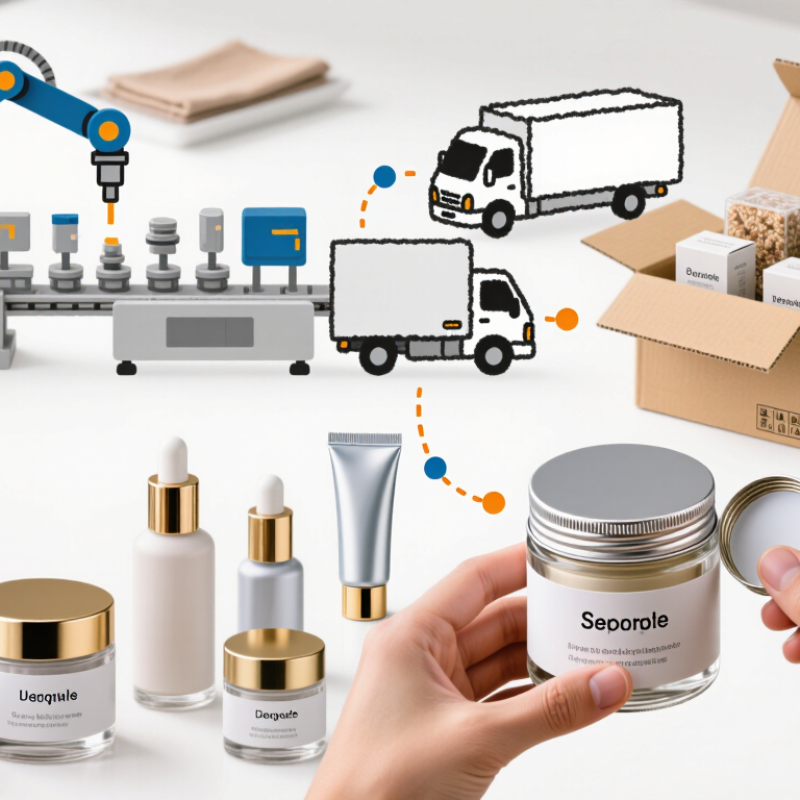
Before contacting a supplier, define the product and its packaging conditions. Record the formula type, fill volume, viscosity, and exposure to light or air. A 30 ml serum may need a dropper, while a thick cream may work better in a wide-mouth jar. Details matter. Note preferred materials, color, finish, closure, and decoration, but separate essential features from nice-to-have options.
Grand View Research estimated the global cosmetic packaging market at USD 34.3 billion in 2023 and forecast a 5.7% compound annual growth rate through 2030. This growth makes clear specifications especially useful when comparing suppliers in China. Share target quantities, acceptable tolerances, budget, and delivery window. Ask for samples and compatibility testing with your actual formula. A package can look perfect and still leak, discolor, or dispense poorly. Specifications can miss things, too; real product testing may expose assumptions no drawing catches.
Tips: Send a one-page brief with dimensions, material preferences, closure details, and test criteria. Request written confirmation of sample, tooling, minimum order, and production lead times. Test before scaling. Keep one approved sample as your reference.
| Requirement Area | Details to Define | Illustrative Specification | What to Confirm with the Supplier |
|---|---|---|---|
| Product and packaging format | Product type, intended use, and preferred primary-packaging format. | Facial serum in a bottle with a dropper; moisturizer in a jar; cleanser in a pump bottle. | Ask whether the proposed format suits the product’s viscosity, application method, and filling process. |
| Capacity and dimensions | Nominal fill volume, target package dimensions, and any size limits for shipping or retail display. | 30 mL serum bottle or 50 mL cream jar; confirm actual dimensions using a technical drawing. | Request drawings with capacity, overall height, diameter, neck finish, and tolerances. Confirm whether capacity refers to nominal or brimful volume. |
| Material | Material for each component, including the container, closure, pump, liner, and decoration. | Glass bottle with a compatible dropper closure, or a plastic bottle made from a specified resin such as PET or HDPE. | Confirm material grades, component construction, and compatibility with the formula. Do not assume components are interchangeable. |
| Formula compatibility | Ingredients, viscosity, fragrance or solvent content, and expected storage conditions. | Provide the supplier with the formula’s relevant compatibility information and intended storage temperature range. | Request a packaging compatibility test plan. Evaluate leakage, discoloration, swelling, odor transfer, and changes to the formula over time. |
| Closure and dispensing | Closure type, dispensing rate or dose, opening method, and need for tamper evidence. | Dropper, lotion pump, spray pump, screw cap, or flip-top cap, selected according to the product and user experience. | Check fit, function, leakage, output consistency, and closure performance with the selected container and formula. |
| Appearance and decoration | Color, finish, transparency, printing, label placement, and artwork requirements. | One-color screen printing or a pressure-sensitive label; specify color references and artwork file requirements. | Approve production-representative samples and confirm decoration durability, print position, color tolerance, and any setup charges. |
| Order quantity and MOQ | Expected first order, forecast, acceptable trial quantity, and replenishment plan. | Request separate quotations for a sample or pilot quantity and for forecast production volumes. | Ask for the MOQ by component and decoration method, plus any price breaks, tooling costs, and lead-time effects. |
| Quality requirements | Acceptance criteria for appearance, dimensions, function, cleanliness, and defects. | Agree on written inspection criteria and an approved reference sample before mass production. | Ask how incoming materials, in-process production, and finished goods are inspected, and how nonconforming items are handled. |
| Testing and documentation | Required test reports, material declarations, and documentation for the destination market. | List the documents and tests needed for the specific packaging materials and sales markets. | Confirm document scope, issuing party, sample identity, and validity. Regulatory obligations depend on the product and destination market. |
| Shipping and secondary packaging | Carton quantity, protective packing, palletization, shipping marks, and delivery terms. | Specify how fragile components are separated and protected against movement and breakage during transit. | Request carton dimensions, gross and net weights, packing photos, and a quotation that identifies the agreed delivery terms. |
| Project schedule | Sample approval date, production window, inspection timing, and required delivery date. | Build the schedule around approved artwork, confirmed specifications, sample approval, and production readiness. | Ask the supplier to identify lead times, approval dependencies, and how changes may affect the delivery schedule. |
| Note: The sample specifications are planning examples, not universal industry requirements. Final choices should be confirmed against the formula, filling process, target market, and supplier’s validated specifications. | |||
Record formula type, fill volume, viscosity, and exposure to light or air. Note material, color, finish, closure, and decoration preferences. Separate essential features from optional ones. Details matter.
Match the container to the formula and dispensing needs. A 30 ml serum may suit a dropper, while thick cream may need a wide-mouth jar. Test with your actual formula.
Prepare a one-page brief with dimensions, material preferences, closure details, target quantity, budget, and delivery window. Include acceptable tolerances and test criteria. Drawings can miss things.
Compare three to five suppliers using product fit, order minimums, lead times, sample quality, and communication. Keep one backup, even when the first sample looks perfect.
Ask for a current business licence, factory address, equipment list, production capacity, and recent inspection records. Request a live factory walkthrough. A polished catalogue proves little.
Compare dimensions, color, pump output, and closure fit with your written specifications. Test for leaks, discoloration, and dispensing problems using your formula. Samples reveal more.
Ask the supplier to separate tooling, unit price, packing, and shipping terms. Confirm minimum order quantities and sample, tooling, and production lead times in writing.
Request material test reports and batch traceability details. Match a batch number to its inspection results, and verify certificates with the issuing body. Small gaps matter.
Not always. A sample may not reflect busy-season production. Consider a pilot order, then compare its packages against the approved sample. I would not assume one test catches everything.
Choosing the right supplier begins with a clear definition of your cosmetic packaging requirements. Consider the product type, materials, capacity, design, finish, and expected order volume before researching potential manufacturers in China. Create a shortlist based on relevant experience, available production capabilities, and their ability to support your specifications. This structured approach makes it easier to compare options and helps you understand how to choose cosmetic packaging that suits both your product and business needs.
Before making a decision, verify each supplier’s quality processes, documentation, and capacity to meet your requirements. Request samples to assess appearance, usability, and consistency, then compare pricing, minimum order quantities, lead times, and communication. Finally, discuss production schedules, packaging for shipment, logistics, and future order flexibility. A dependable supplier should offer clear answers, realistic commitments, and a practical plan for ongoing cooperation—not just an attractive initial quote.

 Boxo Beauty