How to choose cosmetic packaging that stands out and sells?

Time:2026-06-18 Author:Sienna
0%

Choosing the right cosmetic packaging is crucial for product visibility and sales performance. According to a recent report by Grand View Research, the global cosmetic packaging market is projected to reach $29.6 billion by 2025. This highlights the importance of standing out in a crowded marketplace. As brands strive to capture consumer attention, understanding how to choose cosmetic packaging becomes essential.

Industry expert Emily Turner emphasizes, “Effective packaging speaks directly to the consumer’s desires.” Her insight reflects the growing focus on aesthetics and functionality in packaging solutions. The visual appeal of packaging can significantly influence a consumer's purchasing decision. However, a captivating design is not the only factor to consider. Packaging must also align with brand values and sustainability efforts.

In a world where consumers are becoming increasingly aware of eco-friendly practices, brands face a challenge. They must balance eye-catching designs with sustainable materials. The pressure to innovate can lead to missteps. As brands navigate these complexities, the right approach to how to choose cosmetic packaging will be key in building long-lasting customer relationships.
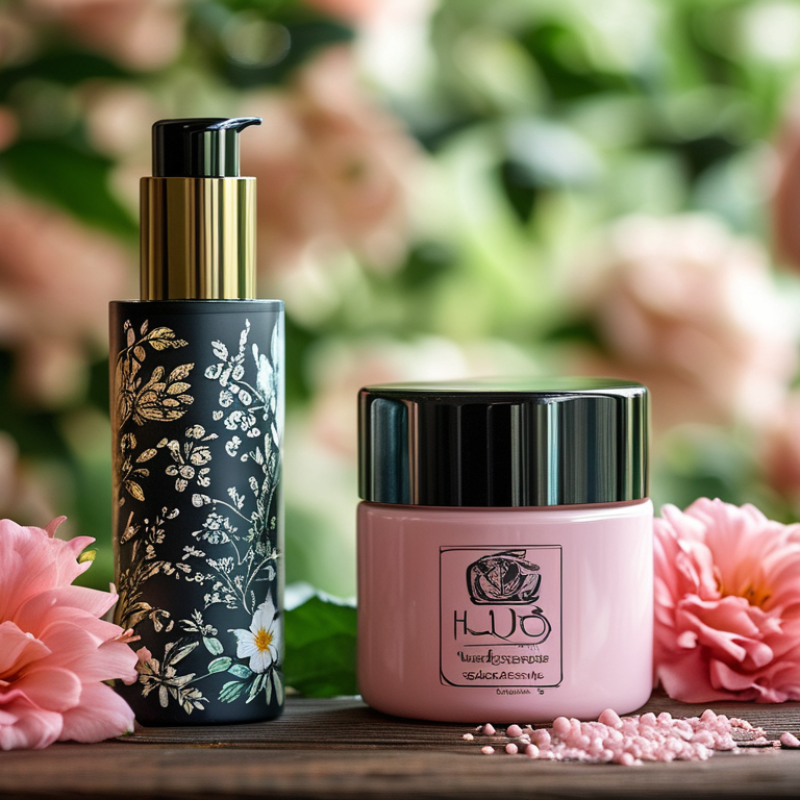
How to choose cosmetic packaging that stands out and sells?

Understanding the Importance of Cosmetic Packaging in Branding

Cosmetic packaging is a key element in branding that cannot be overlooked. It acts as the first touchpoint for customers. When designed effectively, it creates a strong visual identity. This identity helps consumers remember the brand. Colors, shapes, and materials all play crucial roles. For instance, a sleek matte finish might convey luxury. In contrast, vibrant colors can suggest fun and energy.

The choice of packaging also reflects the brand's values. Eco-friendly materials demonstrate a commitment to sustainability. This choice appeals to environmentally conscious consumers. However, not every brand fully embraces these principles. Some prioritize aesthetics over function or sustainability. This often leaves consumers feeling conflicted about their choices.

Effective cosmetic packaging should tell a story. It should resonate with the target audience. Yet, the process can be challenging. Brands may struggle to balance creativity with practicality. Testing different designs is vital for finding what truly works. The path to achieving standout packaging requires thoughtful exploration and willingness to adapt.

Identifying Target Audience Preferences for Packaging Design

Understanding the preferences of your target audience is crucial when designing cosmetic packaging. Research shows that consumers are drawn to packaging that reflects their values. Eco-friendly materials can attract environmentally-conscious buyers. Meanwhile, vibrant colors appeal to younger audiences seeking excitement. Knowing these nuances can shape your design choices effectively.

Engagement with your customers is essential. Surveys and feedback can reveal what your audience finds appealing. Some may prefer minimalistic designs, while others are drawn to bold imagery. Testing different prototypes can highlight preferences. Remember, not every design will resonate. It’s important to embrace failures as learning opportunities instead of discouragements.

Think about accessibility too. Your packaging should engage all consumers, including those with disabilities. Consider tactile elements or easy-to-open designs. It’s a balance between aesthetics and function. Reflecting on these factors leads to a more thoughtful packaging strategy.

Exploring Trendy Materials and Sustainable Options for Packaging

Choosing cosmetic packaging is crucial for grabbing attention and ensuring sales. The material you select can significantly influence your brand’s perceived value. Today, many brands are leaning towards trendy materials that add a unique touch to their products. This could be anything from glass to biodegradable plastics. Each option presents its own set of benefits and drawbacks. For instance, glass may feel luxurious, but it can also be heavy and fragile.

Sustainability is another vital consideration for modern packaging. Eco-friendly options are gaining popularity due to increased consumer awareness. Packaging made from recycled materials or that is fully biodegradable can attract environmentally conscious buyers. However, it’s essential to balance sustainability with functionality. Some biodegradable materials may not provide the same level of protection as traditional options. This can impact the product's shelf life.

Exploring these materials requires careful thought. Every choice should reflect your brand values. You must ask yourself about the lifecycle of your packaging. Will it leave a lasting impression? Or contribute to waste? The choice of packaging can tell a story about your commitment to quality and sustainability.

Utilizing Color Psychology and Visual Elements in Packaging

Choosing the right cosmetic packaging is crucial. The visual appeal plays a major role in attracting consumers. One key element is color psychology. Studies show that color influences 85% of purchase decisions. For example, soft pastel tones evoke feelings of calmness, while vibrant colors convey energy and excitement. Brands can leverage these associations to craft a compelling visual identity.

When designing packaging, consider incorporating contrasting colors. This can enhance visibility and draw attention to important features. Research indicates that 94% of first impressions are design-related. Using shapes and materials that feel unique can also enhance the tactile experience. For instance, matte finishes often feel more luxurious than glossy ones.

*Tip: Test different color palettes with focus groups to gauge emotional responses.*

Using age-appropriate colors can help target specific demographics effectively. Darker hues are often preferred by older consumers, while younger audiences may lean towards bright, playful colors. This segmentation strategy can significantly increase engagement and sales.

*Tip: Research competitor packaging to identify gaps. Find colors and designs that stand out in your niche.*

Incorporating these visual elements can indeed be challenging. It requires constant testing and adaptation. Brands must continuously evaluate their packaging effectiveness to stay relevant.

Testing and Iterating Packaging Designs for Market Appeal

Testing and iterating packaging designs is crucial for market appeal. Start by gathering consumer feedback on your initial designs. Conduct surveys or focus groups to understand their preferences. This feedback will highlight what works and what needs adjustment. You might find that colors resonate differently across demographics. Bright colors could attract younger audiences, while muted tones appeal to older consumers.

Once you have feedback, make small changes. Adjust the typography or materials used. A textured finish can draw attention. Package shapes can also be refined. Consider ergonomic designs that fit comfortably in one hand. Your goal is to create packaging that feels good and looks attractive.

Don’t shy away from failure. Not every test will yield positive results. Some designs may flop, but they offer valuable insights. Each iteration teaches you something new about consumer preferences. Embrace these lessons and keep iterating. This ongoing process will enhance your packaging's market appeal and, ultimately, boost sales.

Cosmetic Packaging Design Appeal Analysis

FAQS

: Why is understanding target audience preferences important for packaging design?

: It's crucial because consumers are attracted to packaging that aligns with their values, enhancing purchase decisions.

What type of materials appeal to eco-conscious consumers?

Eco-friendly materials, like recycled and biodegradable options, can attract environmentally-conscious buyers and promote sustainability.

How can customer feedback shape packaging design?

Surveys can reveal preferences for minimalistic versus bold designs, guiding effective design choices.

What are some challenges with using trendy materials for packaging?

Trendy materials can be heavier or more fragile, which might affect usability and consumer perception.

How should accessibility be considered in packaging design?

Packaging should cater to all consumers, including those with disabilities, by incorporating easy-to-open designs and tactile elements.

Can biodegradable materials compromise product protection?

Yes, some biodegradable materials may not provide the same protection as traditional options, impacting shelf life.

What should brands reflect on when choosing packaging materials?

Brands should consider sustainability, functionality, and how packaging choices reflect their values and lifecycle impact.

Is testing prototypes important?

Yes, testing prototypes can highlight preferences, but not every design will be successful. Embrace failures as learning experiences.

Conclusion

Choosing the right cosmetic packaging is crucial for establishing a brand's identity and attracting consumers. To effectively navigate how to choose cosmetic packaging, one must first understand the significance of packaging in the branding process. This involves identifying the preferences of the target audience to ensure the packaging resonates with potential buyers. Additionally, exploring trendy and sustainable materials can enhance the product's appeal while aligning with modern consumer values.

Incorporating elements of color psychology and visual design can further influence consumer perception and engagement. It's essential to test and iterate packaging designs to refine their market appeal, ensuring that they stand out on the shelves and create lasting impressions. Ultimately, a thoughtful approach to cosmetic packaging can significantly impact sales and brand loyalty.

Sienna

Sienna

Sienna is a skilled marketing professional with a deep expertise in our company’s core products and services. With a passion for innovation and detail, she plays a pivotal role in crafting insightful blog posts that not only highlight the unique features of our offerings but also provide valuable......