Benefits of Refillable Beauty Packaging in 2026 Top Trends?

Time:2026-08-12 Author:Madeline
0%

In 2026, the beauty industry is witnessing a revolutionary shift towards sustainability. A notable trend is the adoption of refillable beauty packaging. What are the benefits of refillable beauty packaging? Industry data indicates that up to 60% of consumers now prefer brands with sustainable options. This increased demand is pushing brands to reconsider their packaging strategies.

Refillable packaging not only reduces waste but also enhances brand loyalty. Studies show that customers are more likely to return for refills, leading to a reliable revenue stream. Brands that implement refillable systems report a 20% increase in customer retention. However, challenges remain. For some companies, the initial investment in refillable technology can be daunting.

These shifts signal a necessary change in consumer behavior. Brands must be prepared to address the hurdles of implementing refillable systems. As this trend evolves, the success of such initiatives will depend on effective communication and consumer education about the environmental impact of their choices. The beauty industry stands at a crucial crossroads, where sustainability and profitability must coexist.
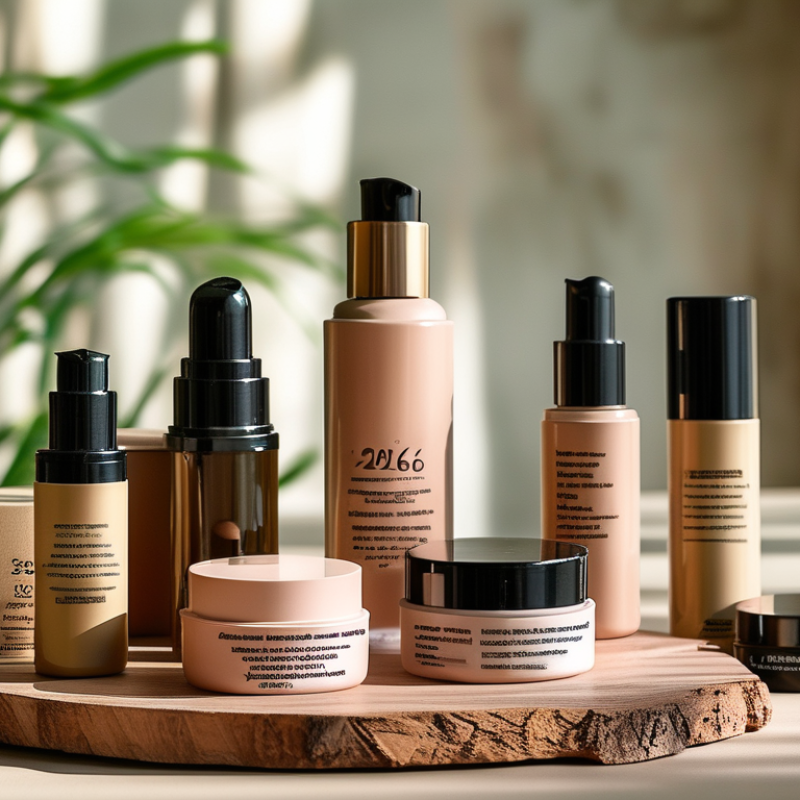
Benefits of Refillable Beauty Packaging in 2026 Top Trends?

Benefits of Refillable Beauty Packaging in 2026 Top Trends: An Overview

Refillable beauty packaging is poised to be a significant trend in 2026. This shift reflects a growing awareness of environmental issues. Consumers are increasingly concerned about the excessive waste generated by single-use products. Refillable options provide a practical solution, enabling users to help reduce this impact with ease.

One key advantage of refillable packaging is its sustainability. It allows for the reuse of containers multiple times, minimizing the need for new materials. This practice not only lowers carbon footprints but also fosters a connection between consumers and brands. Many users appreciate the story behind their products. However, there are challenges. Not all refillable systems are easy to access. Some consumers may find it inconvenient to seek out refills or may be unsure about the cleaning process.

Moreover, the effectiveness of refillable systems can vary. The quality of refills might differ from the original product. Some brands may not prioritize refill options, which can frustrate dedicated users. Ultimately, while refillable beauty packaging presents a promising solution, it requires further innovation and commitment from the industry. It is essential for brands to harmonize convenience with sustainability to achieve lasting positive change.

Environmental Impact of Refillable Beauty Packaging in 2026

The environmental impact of refillable beauty packaging is significant and multifaceted. In 2026, this trend continues to gain momentum as consumers seek sustainable options. Refillable packaging reduces waste by allowing customers to reuse containers. This practice minimizes the number of single-use plastics that end up in landfills and oceans.

Moreover, refillable packaging often uses materials that are designed to last longer. Many brands are investing in durable, stylish containers that consumers cherish. These designs make refilling a desirable ritual rather than a chore. However, not all refill stations are easy to access, creating a barrier for some. This needs addressing if the refillable model is to succeed.

As the industry evolves, consumers are becoming more educated. They demand transparency from brands regarding materials and processes. Yet, some refillable options still fail to meet expectations in terms of sustainability. Balancing affordability and environmental responsibility remains an ongoing challenge. The journey toward widespread adoption of refillable beauty packaging is promising but requires continuous reflection and improvement.

Economic Advantages of Embracing Refillable Packaging

The rise of refillable beauty packaging has become a compelling trend in 2026, driven by its economic advantages. Consumers are drawn to the idea of sustainability without sacrificing quality. Refillable systems often reduce costs in the long term. This shift helps brands connect with environmentally conscious shoppers who prefer to invest in reusable options.

Embracing refillable packaging can significantly cut production costs. Fewer raw materials mean lower prices for manufacturers. The savings can be passed on to consumers. Brands might initially hesitate due to the upfront investment in refill and return systems. However, the potential for customer loyalty and repeat purchases can outweigh these concerns. Innovative refill stations can attract repeat visits, encouraging a sustainable lifestyle.

While many brands explore refillable options, some face challenges in execution. Ensuring cleanliness and durability of containers can be tricky. Not all beauty products suit the refill model, leading to potential waste. Addressing these concerns requires ongoing research and adaptation. Companies must understand their audience and refine their approaches for success in a competitive market.

Consumer Preferences Shaping the Future of Beauty Packaging

As we move into 2026, consumer preferences are revolutionizing beauty packaging. Refillable beauty packaging is gaining popularity for its environmental benefits. Customers increasingly seek choices that reduce waste. This trend signals a shift towards sustainability, driven by informed consumers who value eco-conscious practices.

Tips: Consider experimenting with refillable options. They can save money in the long run and promote a more sustainable lifestyle. Brands should engage with their audience and ask for feedback. Understanding consumer desires can lead to innovative solutions.

There is a growing need for brands to educate consumers on refillable options. Genuine transparency about materials and processes is crucial. Customers want to know how their choices impact the environment. This transparency builds trust and loyalty amidst a crowded market. However, not all refillable systems are convenient. Brands must work to ensure their products are user-friendly. If the refill process is complicated, consumers may shy away from these options.

Innovative Designs in Refillable Packaging for Beauty Products

In recent years, refillable beauty packaging has gained traction, driven by consumer demand for sustainability. In 2026, innovative designs in refillable packaging will continue to shape the industry. According to a recent industry report by the Sustainable Packaging Coalition, 45% of consumers are willing to pay more for beauty products with refillable options. This trend reflects a broader shift towards eco-conscious consumerism.

Designs are evolving. Brands now leverage materials like recycled plastics and glass. Clever mechanisms for refilling enhance user experience. Compact designs reduce material waste, appealing to eco-friendly consumers. For example, some designs incorporate interchangeable components, allowing users to switch between formulas easily. These features encourage brand loyalty while minimizing environmental impact.

**Tips:** When considering refillable options, look for brands that prioritize transparency in their materials. Participate in recycling programs to maximize sustainability. Challenge the status quo—consider how your purchases impact the planet. Reflect on your beauty routines and make conscious choices. The refillable beauty trend is not just about products; it's a movement towards a greener future.

Benefits of Refillable Beauty Packaging in 2026 Top Trends

Trend Description Environmental Impact Consumer Preference
Sustainable Materials Use of biodegradable or recycled materials in packaging. Reduces plastic waste and carbon footprint. Increasing demand for eco-friendly products.
Customization Options Personalized designs and colors for refillable packs. Promotes customer loyalty and reduces packaging waste. Consumers are drawn to unique products.
Technological Integration Smart packaging with QR codes and app integration. Enhances recycling capabilities and product tracking. Tech-savvy consumers appreciate interactive elements.
Minimalist Designs Sleek, simple packaging that emphasizes the product. Less material waste and easier to recycle. Preference for aesthetics and functionality.
Subscription Models Regular refills delivered to consumers on a schedule. Reduces overproduction and packaging waste. Convenience is a key consumer driver.

FAQS

: What is refillable beauty packaging?

: Refillable beauty packaging allows consumers to reuse containers for their products, reducing waste.

Why is refillable packaging important?

It helps minimize single-use product waste and lowers carbon footprints.

Are refillable options convenient for consumers?

Not always. Some consumers find it hard to access refills or clean containers properly.

Do refillable products impact brand loyalty?

Yes, unique designs and features can enhance customer loyalty while being eco-friendly.

What materials are used in refillable packaging?

Recycled plastics and glass are commonly used, promoting sustainability.

Can refill systems vary in effectiveness?

Yes, refill quality may differ from the original product, which can frustrate users.

How much more are consumers willing to pay for refillable products?

About 45% of consumers are willing to pay more for these sustainable options.

What should consumers look for in refillable brands?

Transparency in materials and participation in recycling programs are key factors.

How can consumers contribute to sustainability?

Reflect on beauty routines and make conscious choices that reduce environmental impact.

Is the refillable beauty trend just a fad?

It’s a movement towards sustainability, showing a growing shift in consumer values.

Conclusion

The article "Benefits of Refillable Beauty Packaging in 2026 Top Trends" explores the various advantages and evolving landscape of refillable packaging in the beauty industry. One of the key aspects discussed is what are the benefits of refillable beauty packaging, which include significant environmental benefits such as reducing plastic waste and lowering carbon footprints. Additionally, the economic advantages of adopting refillable systems illustrate potential cost savings for both brands and consumers.

As consumer preferences shift towards sustainability, innovative designs in refillable packaging are emerging, catering to modern aesthetics and functionality. This evolution not only meets the needs of eco-conscious consumers but also positions brands to stand out in an increasingly competitive market. Overall, the shift towards refillable beauty packaging is set to redefine industry standards, making it a crucial trend for 2026 and beyond.

Madeline

Madeline

Madeline is a dedicated marketing professional with a wealth of expertise in our company's core offerings. With a keen understanding of the industry, she brings a unique perspective to her role, consistently delivering high-quality content that highlights the superior aspects of our products. As......