Online beauty buyers judge more than a product image. They notice the box, the bottle, the seal, and the moment everything arrives safely. That physical experience can shape reviews, repeat purchases, and refund requests.
So, what packaging works best for online beauty sales? The answer depends on product texture, shipping distance, customer expectations, and brand positioning. A lightweight mailer may suit sheet masks, while an airless pump can protect premium serum from contamination and oxidation. Glass looks luxurious, but it can increase breakage risk and delivery costs. Not always ideal.
Andrew Gibbs, founder of The Dieline and a respected packaging design authority, once said, “Packaging is the last five seconds of a brand’s marketing.” That idea matters online. The package becomes the customer’s first physical conversation with your brand. It should open cleanly, resist leaks, photograph well, and avoid unnecessary layers.
This guide explores seven packaging types used in online beauty sales, including tubes, jars, pouches, airless bottles, and protective mailers. Each option has practical strengths and weaknesses. Some reduce material use. Others improve dosing, hygiene, or shelf appeal.
There is no universal winner. I would not choose packaging from appearance alone. A beautiful cap can loosen during transit. A recyclable component may still confuse customers if local recycling systems cannot process it. Small details matter.
The strongest choice balances protection, usability, cost, sustainability, and customer trust. Sometimes, less looks better. Sometimes, it fails.
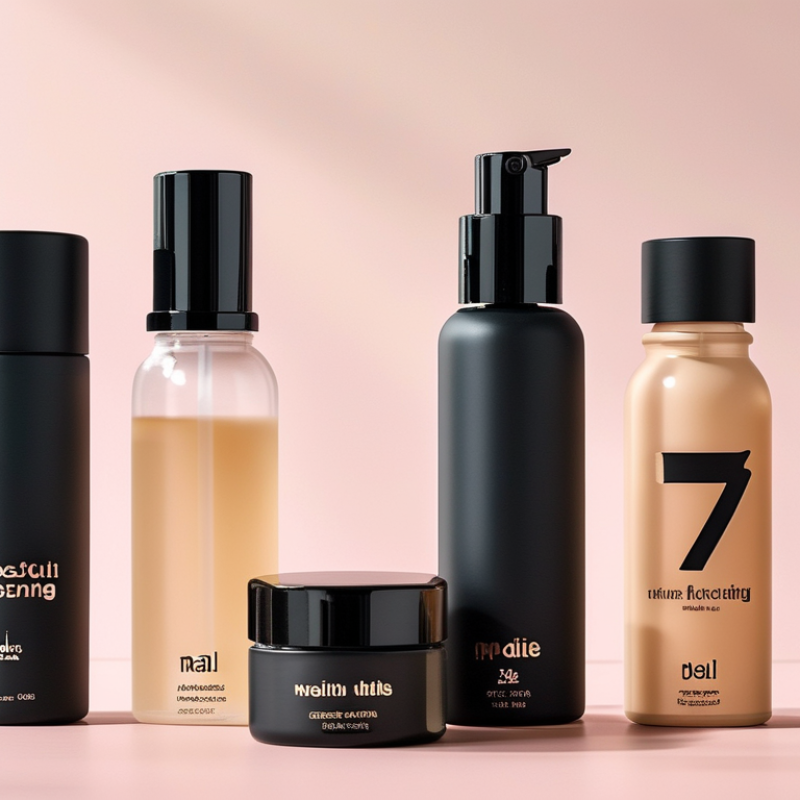
7 Best Packaging Types for Online Beauty Sales?
Defining packaging needs starts with the formula, not the product photo. Creams often suit wide-mouth jars, while thick lotions need tubes or airless pumps. Liquid serums may require droppers, pumps, or small spray bottles. Pouches can reduce shipping weight, but they may feel less premium. Folding cartons add protection and provide space for required product information. Each option changes how customers open, use, and store the product.
Online beauty packaging faces rough handling and temperature changes. I would test a filled sample with shaking, squeezing, and repeated opening. Check whether the cap leaks after a parcel is dropped. A clean pump also helps limit contact with air and fingers. Clear packaging can show texture, but light may affect sensitive formulas. Packaging materials must also match the ingredients, especially oils, acids, and alcohol-based products.
Customer habits deserve practical attention. A small tube is easier to carry than a glass jar. A heavy container may look elegant, yet it can raise delivery costs and breakage risks. I once underestimated the space needed for a protective insert. The parcel arrived safely, but the internal padding felt wasteful. That mistake matters. Measure the product, closure, label, and shipping protection together. Use recyclable components where realistic, while checking local disposal guidance and accurate labeling requirements.
Protective packaging decides whether skincare arrives as a trusted product or a damaged disappointment. For online beauty sales, useful options include corrugated mailers, rigid cartons, molded-pulp inserts, honeycomb paper, paper void fill, air cushions, and fitted boxes. Corrugated cartons suit glass jars and heavier bottles. Molded-pulp inserts hold products firmly without sharp plastic edges. Paper cushioning works well for lighter items, but it may compress during humid delivery.
Smithers’ report, The Future of E-commerce Packaging to 2028, highlights the growing need for packaging that balances protection, efficiency, and recyclability. The OECD’s Global Plastics Outlook reports that only 9% of global plastic waste was recycled in 2019. This makes excessive protective material difficult to defend. In practical packing tests, the box should survive a short drop, corner pressure, and movement inside a delivery vehicle. A beautiful package can still fail. I would rather see a plain carton with a stable insert than an impressive box with loose products.
Tips: Leave minimal empty space, but do not compress fragile pumps or droppers. Use a paper seal to show opening clearly. Test packaging with real temperature changes, not only on a clean warehouse table. Check whether local facilities accept every material used. This detail is often missed. For oily creams, add a leak-resistant inner pouch and keep the outer carton recyclable where possible.
Online beauty packaging must protect the formula and survive rough delivery. Bottles suit liquid cleansers, toners, and lightweight lotions. A pump reduces hand contact, but its actuator can jam after cold transit. Glass feels premium and resists many formulas, yet it adds weight and breakage risk. Plastic bottles ship more easily, although some formulas may react with certain plastics. Compatibility testing matters. Fill a sample, store it warm, and inspect odor, color, leakage, and wall changes.
Jars offer wide openings for creams, masks, and solid balms. Customers can see and scoop the product easily. That convenience increases finger contact and possible contamination. An inner seal helps, but it may wrinkle or fail during filling. Tubes are lighter and cleaner for lotions, gels, and toothpaste-like treatments. They dispense controlled amounts. Still, thick formulas can clog narrow shoulders after storage. I have seen attractive tubes waste product near the cap, which deserves honest testing. Pouches use little material and pack flat. They work well for refills, samples, and flexible cleansers. Their weak point is puncture damage and messy pouring.
Compacts suit powders, solid makeup, and pressed skincare. A mirror and small pan support portable use, but hinges and clasps need drop testing. Online photos should show size clearly because compact packaging can look larger on screen. Choose according to formula behavior, shipping conditions, dispensing habits, and customer expectations. A leak test at 40°C can reveal more than a polished product photograph.
| Packaging Type | Typical Materials | Best-Suited Beauty Products | Product Protection | Leak Resistance | Shipping Efficiency | Hygiene and Dosage Control | Typical Cost Level | Recycling Considerations | Overall Online-Sales Score |
|---|---|---|---|---|---|---|---|---|---|
| Airless Pump Bottle | Plastic, glass, or a combination of plastic components | Serums, moisturizers, lotions, eye creams, and active formulas | Excellent protection from air exposure and contamination; useful for oxidation-sensitive formulas | 5/5 | 4/5 | Excellent; controlled, low-contact dispensing with good dose consistency | Medium to high | Multicomponent designs can be difficult to recycle; mono-material versions are easier to sort | 4.8/5 |
| Standard Bottle | Plastic, glass, or aluminum with a cap, dropper, spray, or pump | Cleansers, toners, oils, shampoos, conditioners, and body lotions | Good; protection depends on the closure and material barrier | 4/5 | 4/5 | Good with pumps or sprays; droppers and open caps may create more handling | Low to medium | Plastic bottles are widely recyclable where accepted; glass is recyclable but heavier for shipping | 4.3/5 |
| Tube | Plastic, aluminum, or multilayer laminate | Creams, gels, sunscreens, masks, toothpaste, and styling products | Good protection from light and air when made with barrier or opaque materials | 4/5 | 5/5 | Very good; squeeze dispensing limits hand contact and supports portion control | Low to medium | Mono-material plastic tubes are simpler to recycle; aluminum and laminate tubes may require special collection | 4.6/5 |
| Jar | Glass, plastic, or acrylic-style multilayer construction with a screw lid | Thick creams, body butters, hair masks, scrubs, and solid balms | Good physical protection; repeated opening exposes contents to air and contact | 3/5 | 3/5 | Fair; wide openings are convenient but require fingers, a spatula, or an insert | Low to medium | Single-material jars are generally easier to recycle; lids, liners, and decorative coatings can complicate sorting | 3.7/5 |
| Pouch | Flexible plastic film, foil laminate, paper laminate, or mono-material film | Refills, liquid cleansers, shampoo, conditioner, masks, and travel products | Good barrier performance when laminated; puncture resistance varies by film structure | 4/5 | 5/5 | Good when fitted with a spout or used as a refill; less convenient without a dispensing feature | Low | Flexible laminates are often not accepted in curbside recycling; mono-material refill pouches improve recyclability | 4.2/5 |
| Compact | Plastic, metal, or mixed-material case with a pan, mirror, and hinge | Pressed powder, blush, bronzer, highlighter, eyeshadow, and solid foundation | Good protection from dust and impact when the hinge and clasp are robust | 5/5 | 4/5 | Good; supports portable, mess-resistant application but may require an applicator | Medium | Mixed materials, mirrors, pans, hinges, and magnets can prevent standard recycling | 4.1/5 |
| Stick | Plastic, paperboard, aluminum, or twist-up composite construction | Lip color, balm, deodorant, sunscreen, blush, contour, and solid fragrance | Good protection from air and spills when the cap fits securely | 5/5 | 5/5 | Excellent; direct application reduces spills and provides convenient dose control | Medium | Mono-material and paperboard formats are easier to manage; twist mechanisms and mixed parts reduce recyclability | 4.5/5 |
7 Best Packaging Types for Online Beauty Sales?
Evaluating Sustainable and Brand-Focused Packaging Options
Online beauty packaging must protect products, communicate quality, and limit unnecessary waste. Recycled cardboard mailers offer strong surfaces for color, texture, and clear product information. Molded pulp inserts can replace plastic cushioning while holding bottles securely during delivery. In practical packing tests, the right insert reduced movement and prevented cracked caps. Small details matter.
Glass jars create a premium, tactile experience, especially for creams and masks. Aluminum tins are lightweight, durable, and widely reusable at home. Refill pouches can reduce material use, but they need careful sealing and clear disposal guidance. Mono-material plastic containers may support easier recycling when local systems accept them. That condition is often overlooked.
Brand identity should appear through shape, typography, and restrained color use, not excessive layers. A simple unboxing moment can feel more thoughtful than a box filled with confetti. Packaging claims should match verified material content and realistic recycling access. Recognized certification can strengthen trust, but certification alone does not solve poor design. No option is perfect. Reusable fabric wraps look attractive, yet they may add weight and transport emissions. Packaging teams should test breakage, shipping weight, customer reuse, and end-of-life options before choosing a format. Sustainable design sometimes requires compromise, and honest communication makes that compromise more credible.
7 Best Packaging Types for Online Beauty Sales?
Matching Packaging Types to Beauty Product Categories
Online beauty packaging should fit the formula, not only the product’s appearance. A lightweight tube suits cleansers, masks, and hand creams because it controls portions and reduces breakage. Airless pumps protect sensitive serums and lotions from repeated air exposure. They also feel clean during daily use. However, pumps can stop working when formulas become too thick.
Jars work well for rich creams, body butters, and solid masks. They offer wide openings, but customers must touch the product more often. Dropper bottles provide accurate dosing for facial oils and concentrated treatments. Spray bottles suit toners, mists, and light body products, while compact cases serve pressed powders and color cosmetics. Sachets support samples and short trial sizes. They are practical, though they may feel less premium. For fragile glass, protective inserts and leak-resistant seals are essential. One failed delivery can damage customer trust.
Tips: Test every package with the actual formula. Check leakage after shaking, dropping, and storing it upside down. Use tubes for travel-friendly items. Choose opaque containers for light-sensitive products. Keep labels readable after handling oily surfaces. Do not rely on appearance alone. A beautiful jar may be inconvenient, wasteful, or difficult to recycle. Packaging decisions need revision after real customer feedback.
: It should protect the formula, reduce movement, and survive drops, corner pressure, and vehicle vibration.
Corrugated cartons with stable inserts work well. Molded-pulp inserts can hold products firmly without sharp plastic edges.
Leave minimal empty space. Do not compress fragile pumps, droppers, or delicate closures.
Paper cushioning suits lighter items. However, humidity may compress it and reduce protection.
Use a leak-resistant inner pouch. Keep the outer carton recyclable where local facilities allow it.
Test short drops, corner pressure, product movement, and temperature changes. A clean warehouse table proves very little.
No. Glass resists many formulas and feels premium, but it increases weight and breakage risk.
Test formula compatibility. Store samples warm, then inspect odor, color, leakage, and wall changes.
Tubes are light, clean, and easy to control. Thick formulas may clog, and product can remain near the cap.
Pouches suit refills, samples, and flexible cleansers. They use little material but may puncture or pour messily.
Jars suit creams, masks, and solid balms. Wide openings help scooping but increase finger contact and contamination risks.
Test hinges, clasps, and drops. Show the real size clearly because screen images can mislead customers.
Not always. Check whether local facilities accept every material used. This detail is often missed.
Choose according to formula behavior, dispensing habits, shipping conditions, and customer expectations. Attractive packaging can still fail.
Choosing what packaging works best for online beauty sales begins with understanding the product, customer expectations, shipping conditions, and brand presentation. Skincare and cosmetics need packaging that protects against leakage, breakage, contamination, light, and moisture while remaining convenient to use. Bottles are suitable for liquids, jars work well for creams and balms, tubes offer controlled dispensing, pouches can reduce weight and storage space, and compacts are practical for pressed or portable products.
The best option should also balance durability, appearance, cost, sustainability, and fulfillment efficiency. Lightweight designs can help reduce shipping expenses, while secure closures and protective outer packaging improve the delivery experience. Recyclable, refillable, or reduced-material solutions may support environmental goals without sacrificing product safety. By matching each packaging format to the formula, application method, product size, and target customer, online beauty sellers can create packaging that protects the contents, communicates quality, and performs reliably throughout the purchase and delivery journey.

Boxo Beauty