As the cosmetic industry evolves, ensuring product safety remains a top priority. Consumers increasingly ask, "what packaging materials are safest for cosmetics?" The answer isn't straightforward. Various materials dominate the market, each with their unique advantages and drawbacks. Understanding these can guide brands and consumers toward better choices.
Innovative options like glass and recycled plastics often surface as eco-friendly contenders. However, they may not always provide the utmost safety. Manufacturers face challenges in balancing sustainability and consumer protection. Testing and regulatory compliance can vary, leading to confusion among brands and buyers alike.
Some materials can leach harmful substances, raising serious concerns. Not every packaging solution is ideal for all types of cosmetics. It's essential for businesses to reevaluate their choices continually. Many products claim to be safe, yet the effectiveness in preserving ingredient integrity can differ. A deeper understanding of packaging materials ensures that safety remains at the forefront of cosmetic innovation.
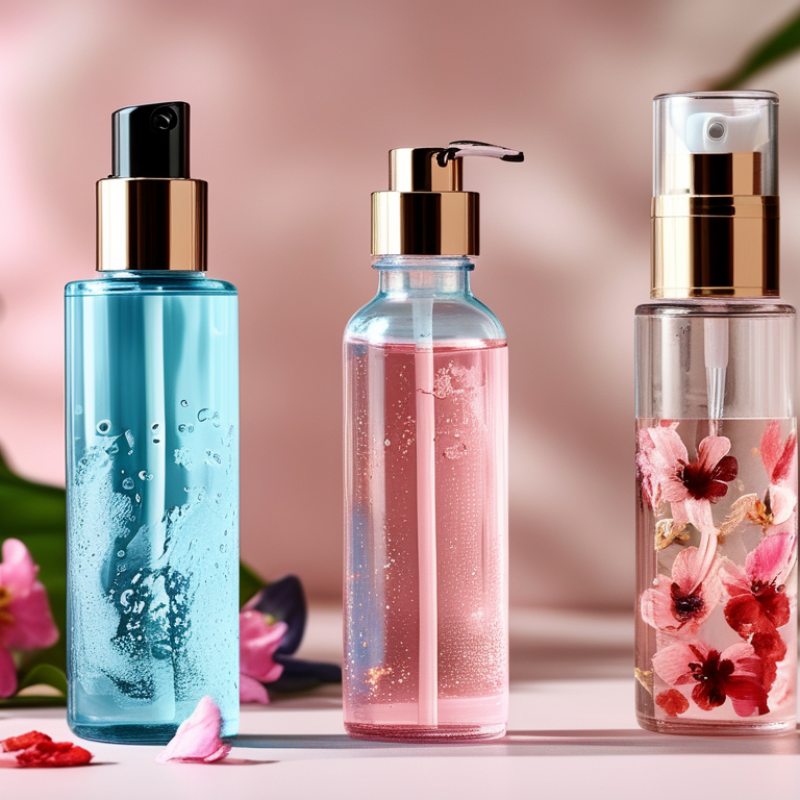
In 2026, the cosmetics industry is shifting towards safer packaging materials. This trend reflects a growing consumer demand for sustainability. A recent report indicated that 72% of consumers prefer eco-friendly packaging. Brands are responding to this preference by investing in biodegradable and recyclable materials.
A critical focus is on reducing plastic use. Bioplastics, derived from natural sources, are becoming popular. These materials can decompose in a few months, unlike traditional plastics, which take centuries. A study found that bioplastics could reduce environmental impact by up to 67%. Manufacturers are also exploring innovative materials like mushroom-based packaging. This trend represents a shift in how cosmetics are packaged and perceived.
Despite positive advancements, challenges remain. Not all bioplastics are widely available or affordable. There is a need for more research on durability and safety for cosmetic use. Moreover, not every brand fully embraces these changes. Some still rely on conventional materials, raising questions about commitment to sustainability. As consumers become more informed, companies must address these gaps to remain competitive.
| Material Type | Sustainability Rating | Safety Standards | Biodegradability | Weight (g/m²) |
|---|---|---|---|---|
| Glass | High | ISO 9001 | Non-biodegradable | 300 |
| Recycled Paper | Moderate | FSC Certified | Yes | 150 |
| Bioplastic | High | EN13432 | Yes | 200 |
| Aluminum | High | ISO 14001 | Non-biodegradable | 350 |
| Wood Packaging | Moderate | PEFC Certified | Yes | 250 |
: Cosmetic packaging safety is crucial to protect consumers and the environment. It minimizes harmful chemicals and negative interactions with products.
Brands should focus on sustainability and opt for materials that are biodegradable. However, not all biodegradable options perform well.
Companies must verify material certifications and provide documentation proving safety compliance. Transparency in sourcing is essential to build trust.
Brands are exploring fibers, bioresins, and even mushroom-based materials. These alternatives decompose better than traditional plastics.
Sustainable options must balance product integrity and shelf life while being eco-friendly. This balancing act is still an ongoing challenge.
Consumers prefer eco-friendly materials. Many are willing to pay more for biodegradable packaging, reflecting a growing commitment to sustainability.
Not all sustainability claims are backed by science. Consumers need to approach marketing with skepticism and seek evidence of the benefits.
Packaging must be visually appealing and functional. Striking this balance can be difficult for brands as they innovate sustainably.
While sustainable materials show promise, issues like cost and scalability can hinder widespread adoption in the cosmetic industry.
The industry is evolving, but the journey toward truly sustainable packaging is complex and requires ongoing research and development.
As the cosmetics industry continues to evolve, understanding what packaging materials are safest for cosmetics becomes paramount. The 2026 trends highlight a growing emphasis on innovative materials that prioritize consumer safety and environmental sustainability. Key features of safe packaging materials revolve around non-toxic, recyclable, and biodegradable options that align with industry regulations and standards.
Moreover, as consumers increasingly prefer eco-friendly solutions, brands are innovating to meet these demands by incorporating sustainable practices into their packaging strategies. The growing significance of safety standards ensures that the cosmetics not only remain appealing but also pose minimal risk to health and the environment. The shift towards safe and sustainable packaging represents a crucial step for the cosmetics industry in addressing consumer concerns and fostering a more responsible future.

 Boxo Beauty